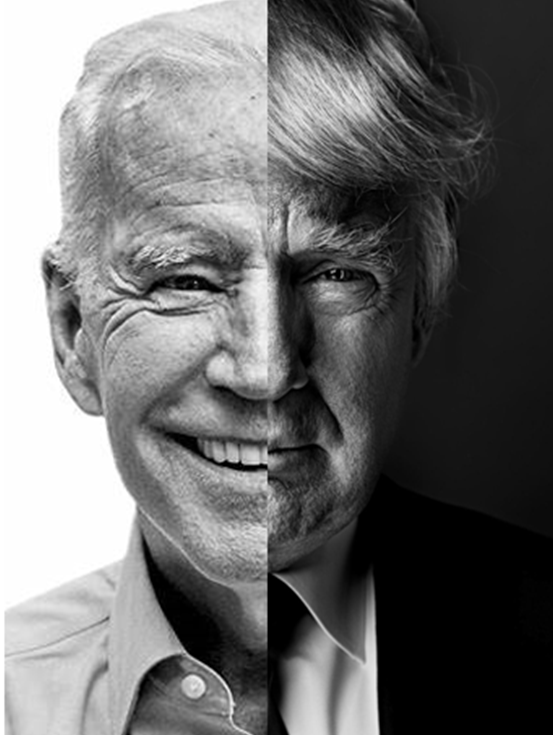
Biden has prepared the United States for the future. In part, but not entirely, the inflation that we are seeing is symbolic of a larger paradigm shift as the United States essentially goes through something akin to a “software update”. The same way how smartphones get upgrade every year, as an analogy, the USA is undergoing an upgrade with its infrastructure, energy, industries, etc.
However, the one big compliment I will give Trump is starting the drive of jobs back to the USA with tariffs, yet, I am doubtful of his proposed expansion of tariffs considering the fragile state the world is in as far as geopolitics (i.e., we want to avoid a Smoot Hawley Tariff Situation of 1930 which some scholars think helped lead to the Great Depression or influence World War II with the emergence of strongmen leaders). It is not an apples-to-apples comparison, but the early twentieth century has similarities to now.
To get this part of out of the way, I want to say that the Republican Party helps to drive up the US debt, yet blames the Democrats for doing it, and rather than being financially responsible as they claim they are, they instead cut taxes to not pay for perpetually accruing national debt. The only Republican with courage to have raised taxes to do to the financially responsible thing was George H.W. Bush (the senior Bush) and he was reprimanded for it.
Any subsequent inflation that is caused by misalignments between fiscal and monetary policy are disproportionately shifted to the working classes and smaller businesses, rather than wealthy households, corporations, etc. The only remedy Republicans offer is to cut government, yet, you can never cut enough government to actually clear all the debt, so Republicans go after what they consider to be wasteful spending which is code word for social programs. Any serious person knows that the largest expenses of the USA are entitlement programs such as Social Security, Medicare, but also Defense, and lastly financing the interests on the debt.
Republicans further push the idea that debt is bad, despite them benefiting from debt. The truth is not all debt is bad debt as long as it is “working debt”, i.e., if it helps generate productivity or savings long-term. For example, you can use a Credit Card on lavish dinners or nightlife in your personal life, or you can use it buy textbooks for classes to help work on a degree to help you get a better paying job, or for gas to get to work. Or, a small business may use it to buy new capital equipment.
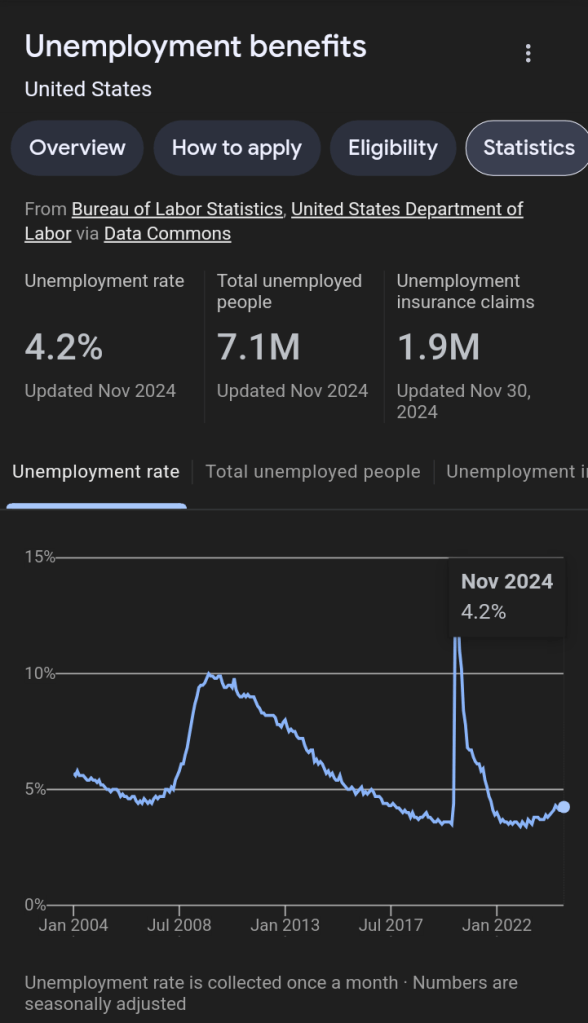
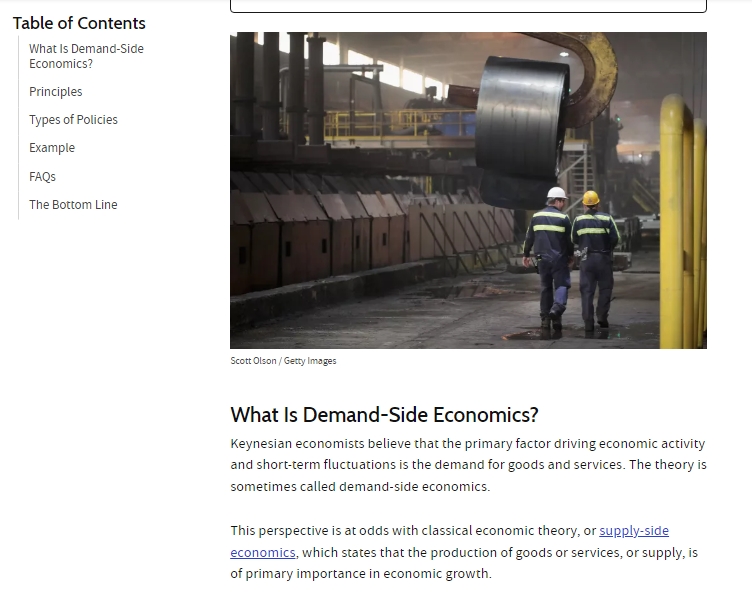
Biden-nomics is in theory a demand-side Keynesian economics theory, whereas Trumponomics is more on the supply-side equation. Let us call it “equilibrium oriented” economics in which one strives to have a good balance between demand and supply, hopefully aligned to a larger national vision of progress, so either demand or supply can be adjusted in an organized manner, e.g., giving targeted tax cuts or credits for specific industries, mixed with targeted stimulus, but doing this to achieve a balance between the Federal Reserve’s mandates of fighting inflation and keeping unemployment low. Further, I would add supporting redistribution of wealth policies to ensure the working classes have enough disposable income to drive the economy as opposed to the trickle-down effects favored by conservatives.

Regardless, despite, what I consider to be the positive legacy that Biden will have later on, Biden and Kamala did not do a great job of selling how Biden-nomics actually helped the USA out.
Democrats lost the “marketing wars”. They needed to adopt a rabid devotion to their beliefs and at any moment be able to see the larger dream of their vision. Kamala, who I respect, did not have the firery mentality needed to vanquish Trump. She played it too safe and bet on American’s yearning for stability to win out and show her as the more reasonable option. There should have been a more concerted online, social media, mainstream media, billboard posting, flyers, newsletter, etc., campaign to sell, sell, sell, the industrial accomplishments. The DNC has plenty of money. We all see their spam emails asking for it. There was no excuse as to not have a Build Back Better showcase tour to maybe even have well-produced videos to showcase all the accomplishments of Biden. These in themselves could have been live fundraising events possibly.
I would say this is a failure of the entire Democratic Party and how it messages and underutilizes “new media” such as how the Right Wing leverages its vast webs of social media influencers to push its agendas, from the most extreme borderline Nazis online, to its cadre of YouTube staple creators such as The Daily Wire, Tim Pool, etc. All Biden-Harris had to do was sell, sell, sell, etc., the fact that their investment bills were going to be game changers. But that is the issue with Americans. They hear “going to be”, and not “is now”.
At the end of this post, please watch the video by The Financial Times about Biden’s Inflation Act. Also, I have embedded other videos as well. But all Kamala had to do was copy this video by The Financial Times and sell the sheer gravitas Biden’s bills will have on the American people in a good way. That was it. Her talk about price controls, etc., were unnecessary even if they may have made some theoretical sense, but historically speaking, price controls in an inflationary era have proved controversial to economic scholars (e.g., the Gerald Ford administration). Kamala’s base of operations should have been the Greak Lakes, even though the black excellence, bourgeoise environment of Atlanta or D.C. were cozier spaces for her.
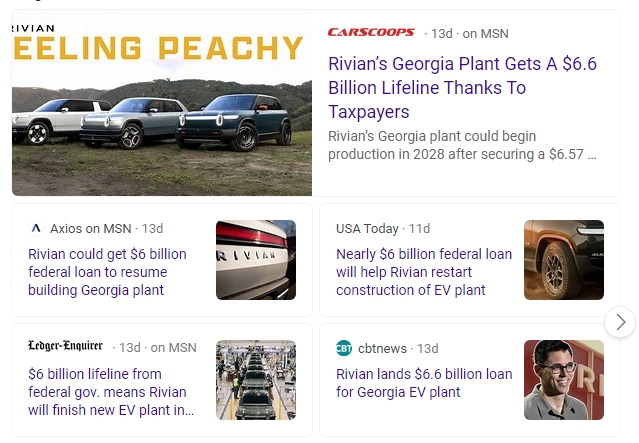
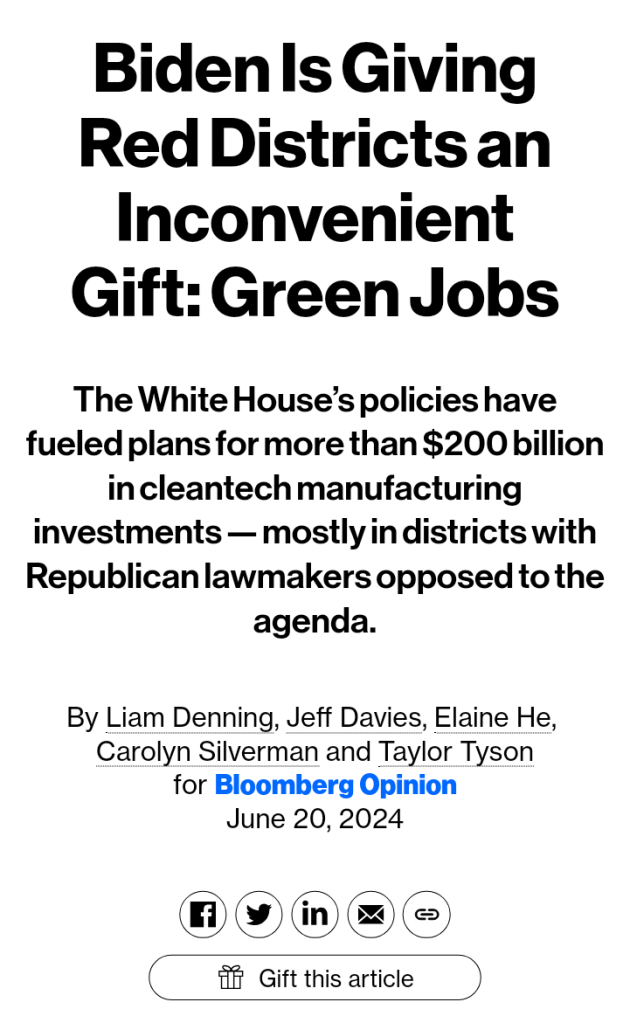
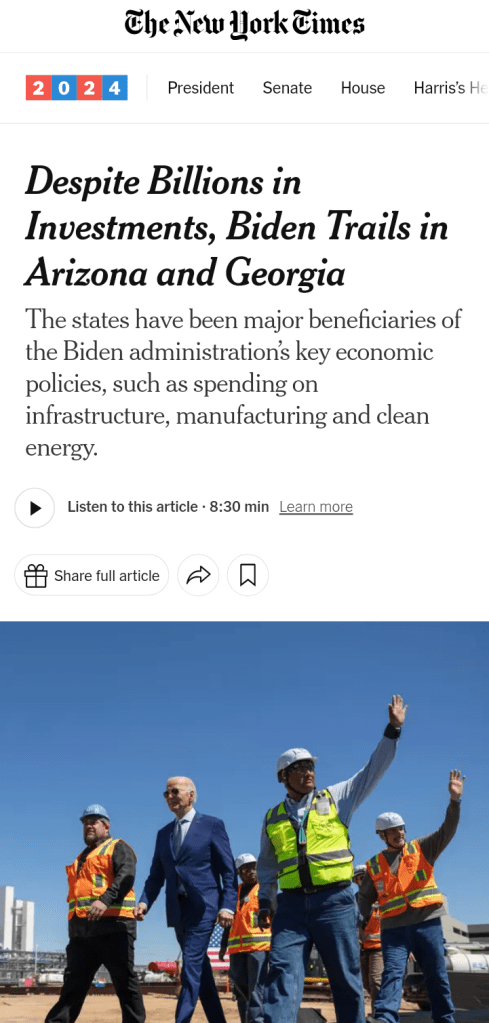
Many of Biden’s bills will go to create jobs in Republican states such as a Rivian plant in Walton County, Georgia outside of Atlanta which voted for Trump by over 70%, yet Republicans such as Vivek Ramaswamy are alleging that they will attack these Rivian government loans. But this creates a possible conflict of interest since Elon Musk owning Telsa is a competitor to Rivian, and Tesla did get a similar loan from the Obama Administration under then DOE Secretary Steven Chu. However, the amount, size, and conditions of the loan can be debated. Additionally, the state of Idaho is home to Micron Technologies, a major semiconductor player, and they will stand to benefit from the CHIPS Act. The states of Texas and Florida, etc., will both benefit with their emphasis on the aerospace and defense sectors. The state of Ohio, home to JD Vance, will benefit from an Intel plant in Lincoln County, OH.
I do not think that Joe Biden was a bad economic president. I also do not think that Trump was a bad economic president.
Both are really working in tandem without giving each other any kudos. Objectively, above both men, and above both of their parties, their ideas are mixing and merging in typical American pragmatic fashion and possibly making a perfect formula for an optimal American economy.
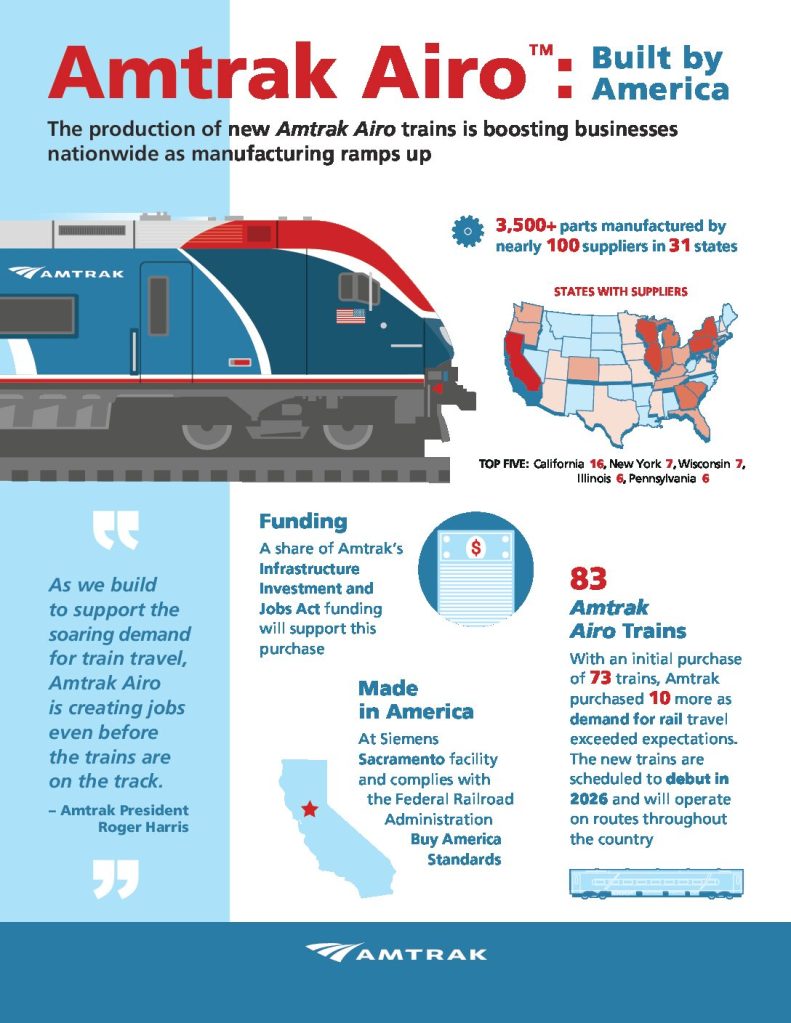
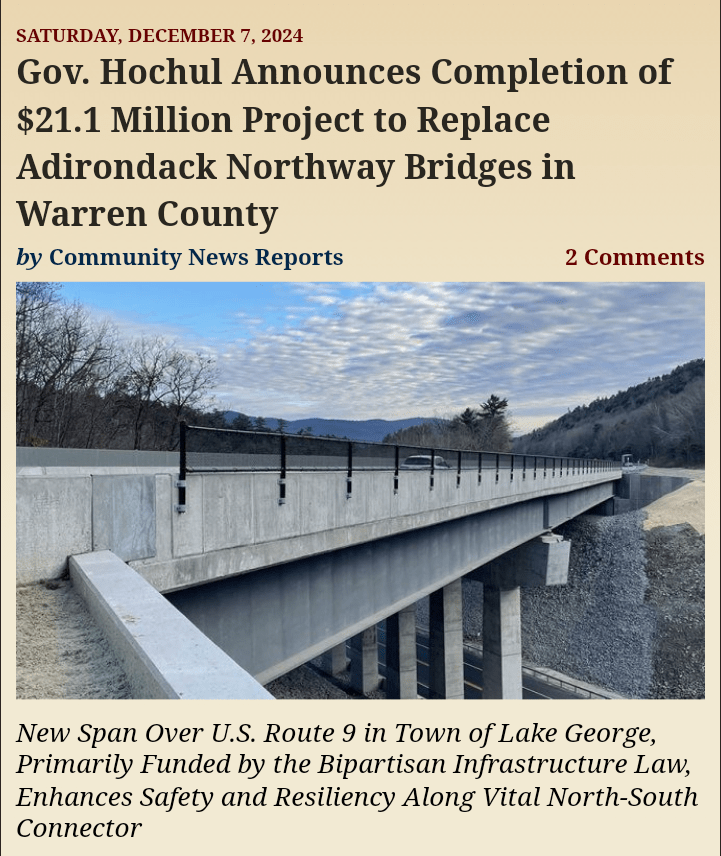
Yet, I feel that Biden-nomics is the better economic philosophy because it is forward thinking about domestic and future investments, rather than trying to placate the public with short-term economic prosperity (which may result in a boom-bust cycle, i.e., a recession). Roads, bridges, new Amtrak trains built in Sacramento by Siemens, new broadband internet pathways, small business loans, battery plants, EV factories, quantum computing research, green energy investments, are all things addressed by Biden.




When it comes to both men helping each other, Trump for example started the tariff regime as a means of bringing jobs back home. Trump beat Democrats to the punch with his protectionism, in that Democrats of old, more focused on protecting US labor due to things such as unions, were supposed to be the protectionist party. Yet, Democrats under Clinton in order to appease the business classes which Republicans were in theory more in control of, turned their back on protectionism in exchange for liberalization (e.g., free trade). Afraid to pull the trigger on protectionism, Democrats simply believed institutional Republicans would have stayed in power and kept their mutual pack of continuing to support liberalization. Yet, Trump threw a wrench into this thinking, having vanquished all other institutional Republicans such as Jeb Bush, and defeating Hillary Clinton.
Trump beating Democrats to the punch of something they should have always been more of, i.e., protectionists, enabled Trump to win the Rust Belt states of Wisconsin, Michigan, Ohio, Pennsylvania, West Virginia, etc. West Virginia and Pennsylvania coal of old, mixed with Ohio’s Standard Oil, Minnesota Iron Ore, etc., established the basis of the factories in the Midwest such as rubber in Toledo or Akron, cars in Detroit, etc., that made America into a steel-producing, skyscraper powerhouse. Protectionist was a tenant of the populist Left and Trump simply beat the Neoliberal Era Democrats to it, however, expanding this protectionism further than what Trump has done may not be wise.
Biden did not get rid of these tariffs that Trump started, but Biden did fund the required domestic investments (e.g., planted seeds and watered the soil for a future harvest) and oversaw a more prudent (as opposed to risk-taking) fiscal and monetary policy with higher interest rates and higher taxes on wealthier earners (which were long overdue after the Bush Era Tax Cuts, the Obama Era extension of Bush Tax Cuts, the Trump Tax Cuts, and the easy-money polices of 2008 to 2016).
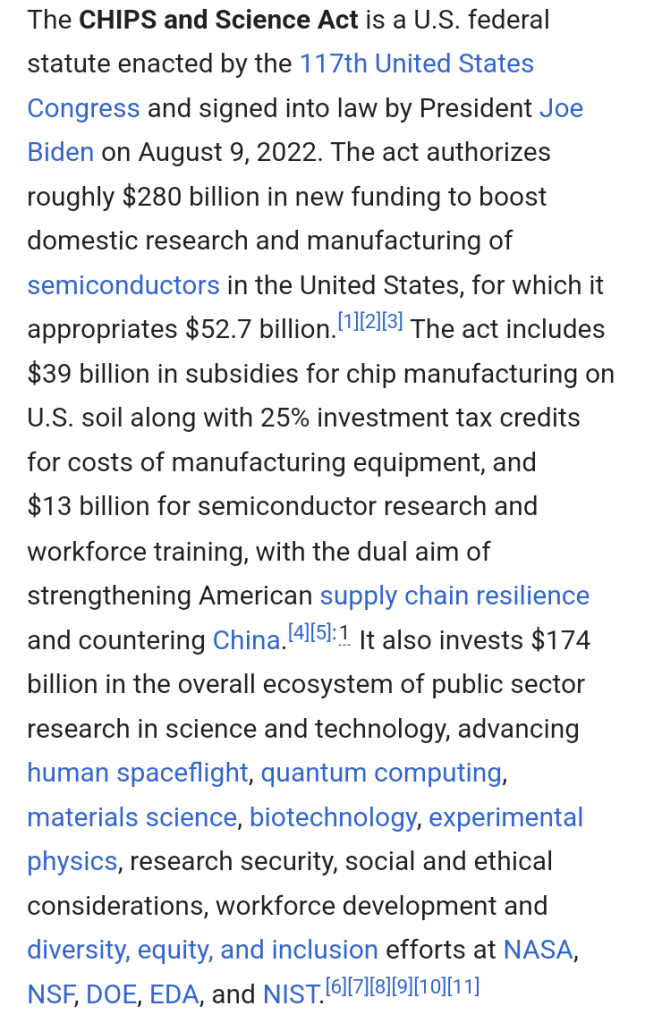
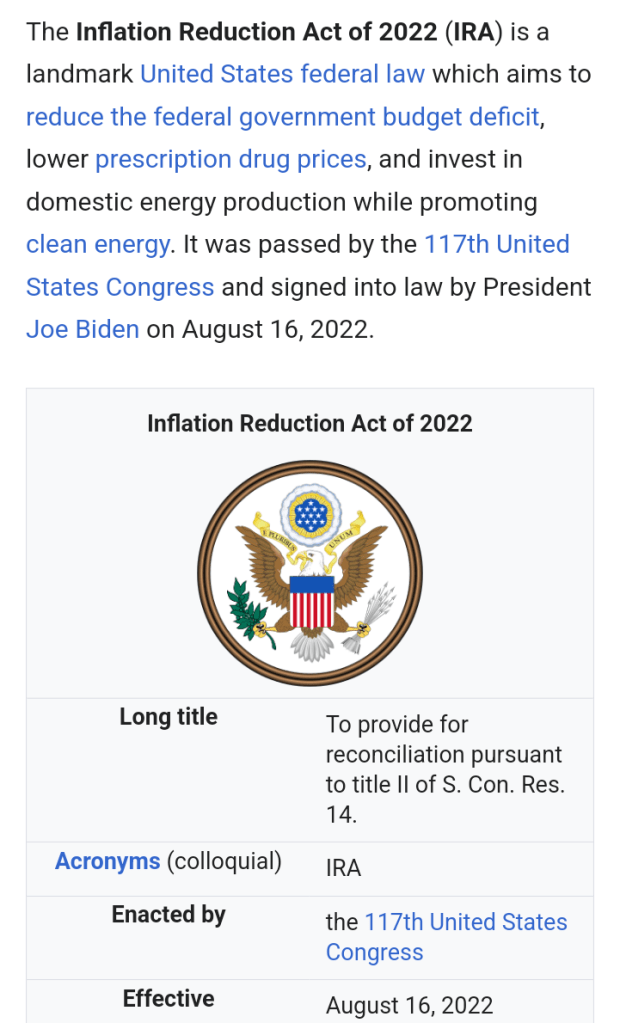
Trump created tariffs to start driving production away from places like China, but this was multiplied by the bills that Biden passed such as the $280 billion valued CHIPs Act (Creating Helpful Incentives to Produce Semiconductors Act), the $1.2 trillion valued I.I.J.A Act (Infrastructure Investment and Jobs Act), and the $891 billon valued IRA Act (Inflation Reduction Act). These bills, which provides funding worth more than many nation’s GDPs, have laid a foundation for a better and well-adjusted America.
Both men have signed into law the yearly National Defense Authorization Acts, which is a stimulus type of bill that provides returns to the American people via jobs (especially in high technology and engineering), defense of US interests abroad, etc.
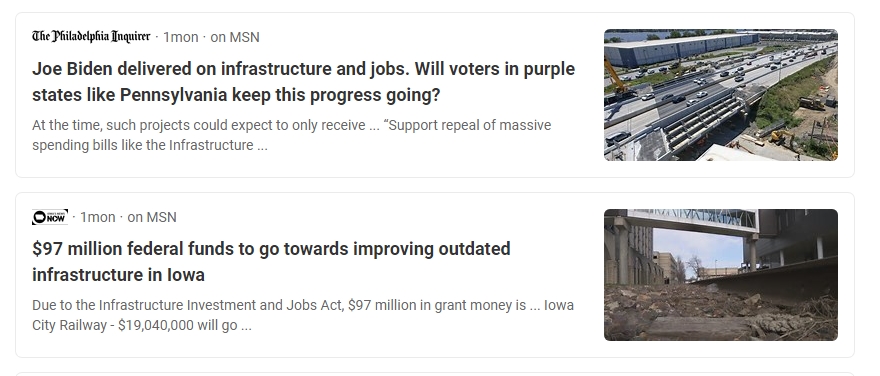
Biden has positioned America to be a leader with better roads, infrastructure including increased broadband internet, etc.
A list of CHIPs recipients as of 30 September 2024 can be found at the following link: https://www.computerworld.com/article/2099381/the-chips-act-money-a-timeline-of-grants-to-chipmakers.html. Companies such as Micron, Intel, BAE, etc., have received CHIPS Acts funding.
Yet, people see Biden as old, stumbling, forgetful, etc., and did not realize the sheer impact these bills will have. Rather America descended into conspiracy theory, partisan conflict, religious zealotry, gender conflict, fear, etc.




When I talk about a well-adjusted America, I mean adjusted to the reality that America’s unipolarity is not guaranteed as once developing nations have evolved into economies no longer making cheap thing but now desiring to consume things themselves with their own growing middle-classes, etc. Rather than the USA simply being the “shopping mall of the world”, which maintains relative global peace by keeping workers in cheaper labor markets working through our consumption, the USA has to adjust its thinking now becoming once again a producer of things that new “shopping malls abroad” desire.




The issue with Trump’s claims in his upcoming presidency about wanting even more tariffs, is that these may not be necessary considering we already have tariffs (per the Harmonized Tariff Schedules), and many Americans will see prices increases. Yet, Trump can get away with whatever he does because he can’t run again (unless he decides to not leave the White House, which would be a crime, i.e., a violation of the Twenty Second Amendment, but as a sitting president he can’t commit crimes while acting in his presidential capacity per the Supreme Court).
A better situation for everyone would have been if Joe Biden were younger and could have run again with the confidence of the American people so these investments could continue to actualize and grow, or, Kamala could have won with more confidence that she was a tougher and more assertive leader, and then after Democrats had their eight years, the future would figure itself out. For example, Republicans later on could go onto deregulating the economy after this incubation period of self-investments, rather than whipping the economy out the gates to race too quickly for short-term and corporate gains (at the expense of growing small-to-medium size businesses, the working classes, etc.)
Moral issues, culture war and fear aside, Trump won because American citizens have an oversimplified view of inflation (which Republicans encourage with this “thinking only about the now” mentality”).
On economic matters, there is really not much difference between the two and both have helped each other. Yet, instead of admitting this because they can’t admit this, this inability to give credit where credit is due has led to further political division amongst the American people.
Not only do Americans have an oversimplistic understanding of inflation (because it is truly confusing and varies from situation to situation), but Americans often don’t make distinctions between the levels of government. For example, people may not be happy with their town, city, county or state-level economic politics but then blame the Federal government. This human propensity for the “shortest path to a solution” often creates false picture that things from top-to-bottom are bad, when really there are levels of equations, formulas, etc., going on at the same time. As a result, many people see Trump as a person who can “solve it all”, when really even he as President can only do so much, largely due to prescribed Constitutional checks and balances, e.g., Federal versus State, Executive Branch versus Legislative, etc. Yet, Trump won’t admit this because he wants to be guy who gets all the credit.
Many Americans have adopted the conservative “mom and pops” framing of inflation in which government spending or printing of money is purely to blame, yet, often many Americans don’t factor in other realities such as (1) wars which often affects energy prices, but sometimes nations feel they must fight wars to maintain their economic interests, so increases in energy prices may be worth it short-term if a nation can win a military victory ensuring sustained or future economic vitality long-term. For example, Americans paying more at the pump as a means of hedging Russia in theory is no different than Americans paying for war-bonds to fight the Nazis and Japanese, but American consumers don’t link their economics purchases necessarily to larger geopolitical thinking; (2) the rise of global piracy around the Red Sea where global shipping has been affected by pirates such as Somali pirates and also attacks from Houti Rebels, who are Iranian proxies underneath the larger regional conflict of Israel versus everyone else around them such as Hezbollah in Lebanon, Hamas in Gaza, etc.; (3) demographic and age changes with older people living longer, holding onto assets longer, not retiring thus keeping young people from higher earning positions, and increasing medical costs to take care of them, (4) changes in pricing-models as the world or specific industries simply evolves, e.g., the rise of big data, analytics, “smart pricing”, i.e., predictive models to determine the correct prices, etc.; (5) technology changes such as the burgeoning industry of automation, Artificial intelligence, etc.'(6) the rise of Green Energy which could reduce wars of energy but nations dependent upon fossil fuels such as Russia, Saudi Arabia or OPEC nations see this as a threat to their long-term, so jacking up prices is about making as much money now as possible; (7) human greed as profiteers are able to simply blame global conditions on their need to raise prices even if their reasoning aren’t valid, and (8) the fact that human’s competition for the same things or to climb the economic-ladder causes inflation. For example, if everyone is striving to be a millionaire, and let us say they are all nearly successful, then what is a million dollars’ now worth? No as much as what it used to be.
Inflation as far as finances is sort of similar to inflation as far as the theory of thermodynamics, notably the Second Law of physics, entropy, etc.. Imagine a universe without inflation, i.e., it wouldn’t expand. Inflation could be argued as not entirely bad because it can mean growth, and the opposition, deflation, is in theory worst. Inflation is inevitable but it seems to be controlling the speed of said inflation that is key.
Democrats often do the long-term planning and investments, whereas Republicans more so focus on the now, which is about short-term thinking that often entails the boom/bust cycle. This short-term thinking ironically defies the old conservative adage of “there is no such thing as free lunch”. Republicans however do have valid points when it comes achieving government efficiency as a means of not wasting taxpayer money which in theory are going to stimulating the economy. However, this push for efficiency is often a veiled attempt at pushing for privatization, which is simply transferring subsidized government services to the private sector. Rather than pay marginal taxes on things pooled across a larger population resulting costs that most people don’t realize, people may end up paying higher prices for privatized services, e.g., public utilities becoming private.
Democrats also often get the blame for dealing with the runaway “overheating” spending that Republicans do as the assets they bloat, often with excessive spending or speculation, ends up crashing as the true value of assets are realized once speculation wanes, the true accounting is realized, etc. Republicans with their Red color, where red insinuates heat, and Democrats with Blue that represents cold seems to be a decent analogy to apply somewhere.
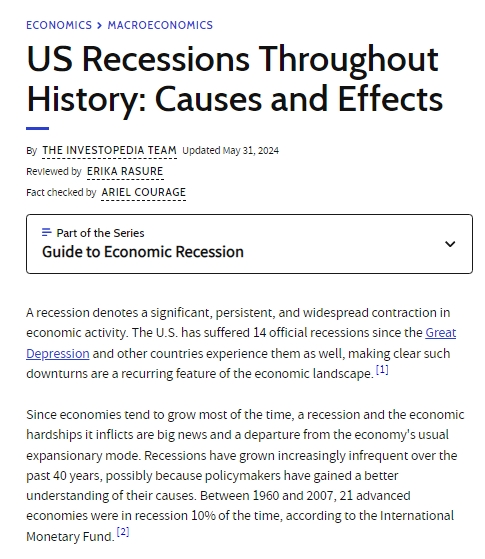
Franklin Delano Roosevelt inherited the Great Depression largely caused by three concurrent Republican administrations with the Harding, Coolidge, and Hoover Administrations. Later, Carter lost largely because of the inflation created in part by Nixon (who left the restrictive gold standard), the 70s Oil Panic with Saudi Arabia shutting off production to protest Israel, and Gerald Ford who unsuccessfully tried to “whip inflation” away with price controls. The Iran hostage situation compounded by an anemic economy which could only have been solved by the draconian inflation rate policy of Paul Volker, handed Reagan a landslide victory over Carter.
Similarly, Barack Obama inherited the recession from George H.W. Bush largely created by the housing market crash (caused by selling adjustable-rate mortgages as bundled products on the stock market) but this situation was further compounded by very pricey wars in Iraq and Afghanistan (which were charged against credit rather than taxes due to Bush’s tax cuts). Also, other global events such as the Euro Crisis affected things with sovereign debt defaults by Greece, Ireland, etc., which created even more of an economic malaise. European austerity measures not only increased civil unrest but also hurt one of America’s leading trade partners.
This era of the Global Recession laid the roots for political populism on both the left (e.g., Occupy movement) and the right (Tea Party, etc.), yet Right Wing type of populism had more sway since Right Wing populism, which is not only nativist, is more in alignment with the neoliberal capitalist way of thinking, unlike the Left who are more focused on workers, unions, taxing corporations, monopoly busting, etc. This populism gave us Donald Trump who is really a mash-up of the Tea Party of the Great Recession with dashes of Ronald Reagan nostalgia and rabid Bircherism (inspired by the conspiratorial minded John Birch Society of the 1950s thru 1970s) but repackaged for Baby Boomer and Gen X nostalgia and younger Zoomers who have been sold a story of “better times” in the past. Trumpism or MAGA is a reactionary movement.
Then we have Biden under Trump, in which the USA’s already high debts weren’t hedged with tax increases, but rather tax cuts, and with the lack of economic consumption due to COVID-19, threw a wrench in Trumponomic thinking which was – regardless of what critics say – influenced by nostalgic, throwback thinking of the Laffer Curve of Athur Laffer under Reagan. This thinking believes that you can generated just as much tax revenues with lower tax rates if your consumption rate is high.
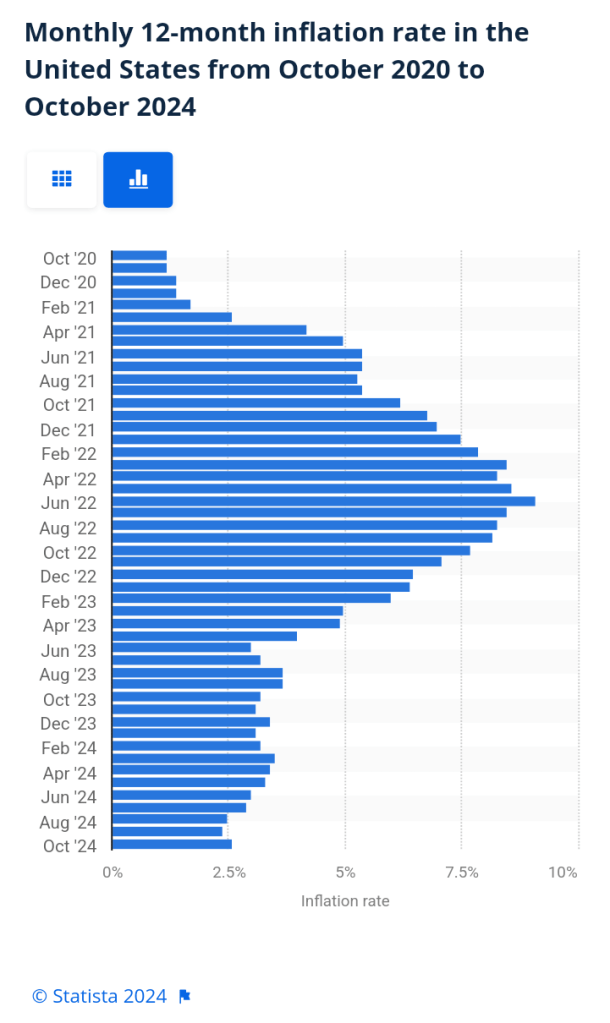
With declines in GDP globally, and with the influx of stimulus which just increased debts or gave larger businesses more advantages over small firms, you got inflation. The stimulus may have helped stave off the effects of pandemic, but it was not a cure for the virus causing the pandemic, thus economic productivity wasn’t able to bounce back as quickly as what the stimulus would have hoped for. Rather you were left with people with excessive savings and more money, able to help bloat the prices of assets such as housing, stocks, etc.
If anything Donald Trump is in theory to blame for parts of the inflation we are seeing. I see it as a simple formula of {Trump Tax Cuts under the Tax Cuts and Jobs Act of 2017 (x) Drops in Economic Productivity and GDP due to the Pandemic (x) government created Stimulus via the CARES Act of 2020 valued at $2.2 Trillion, the Consolidated Appropriations Act of 2021 valued at $2.3 Trillion, and the American Rescue Plan/COVID Stimulus Package of 2021 valued at $1.9 Trillion}
So, we were looking at $6.9 Trillion in government stimulus funding signed by Donald Trump, and according to the Penn Wharton Budget Model that by 2027 the US Debt would grow by another $1.9 trillion to $2.2 trillion. Yet, further according the Congressional Budget Office estimates that extending these tax cuts would add $4.6 trillion in deficits over the next ten years. These numbers are disorienting, yet, there seems to be a misalignment between debt/money creation, taxes/revenues, and the hopeful economic productivity generated in between the two, and these things, mixed with external factors (tariffs, wars, technology changes, demographic changes, piracy, weather, etc.) has also affected inflation.
Did I say weather? Yes. Odd weather changes have caused havoc resulting in further economic losses such as Hurricane Helene, Hurricane Idalia, etc.
This excess of stimulus is in part a reason that Trump-elected Jerome Powell of the Federal Reserve Bank decided to increase interest rates once and for all. Increased interest rates makes the cost of debt financing (borrowing) more expensive and this can help cool off prices such as discouraging zombie-companies, i.e., unprofitable companies who are able to “pay a credit card off with another credit card”, but also discourages people from easily refinancing their mortgages and using their houses as piggy banks. Further, it encourages savings rather than spending, and with the less spending you do, you may see price spikes as companies try to make as much money as they can on their product in the short-run, yet the eventual declines in demand may help reduce prices long-run.
The pandemic was the last straw for Powell who finally wanted to end the Federal Reserve’s quantitative easing policies (i.e., near zero interests’ rates and digitally creating money on bank balance sheets) that date back to the earlier Ben Bernanke tenure at the Federal Reserve.
The only exception in my lifetime of a Democrat not losing because of a Republican created Recession is that of Bill Clinton winning in 1992 because George Bush had to raise prices to deal with the Recession caused by his predecessor and former boss, Ronald Reagan.
Sure, the USA may have theoretically bankrupted the USSR (which is debatable) but with the Cold War being over, the excessive spending at deficits that happened under Reagan were no longer justifiable. Further, the rampant speculation of the yuppie-era Greed-is-good economics of Reagan culminated in the Black Monday Dow Jones Crash in 1987.
Bush with his “Read my lips” assertion that he wasn’t going to raise taxes to deal with late eighties to early nineties inflation (compounded by Desert Storm and Desert Shield in Iraq), caused him in part to lose to Clinton. Bush largely had to deal with the social problems that Ronald Reagan refused to deal with, since Reagan was more inclined to let his Kitchen Cabinet and administrators run governmental affairs. While Reagan was watching Golden Era nostalgic movies and consulting his Zodiac medium (yes, this was a real thing), issues such as Crack cocaine, gun violence, HIV/AIDs, etc., were sweeping through parts of American society.
Clinton thus inherited a situation where the economically unfavorable decisions had already been made. Clinton simply had to ride the wave of post-Cold War optimism by passing NAFTA and deregulating banking such as ending the Glass-Stegall Act.
Clinton and 90s was an economic goldy-locks zones of global optimism about peace, free trade, corporate mergers, innovations in communication such as the world wide web coming online to the public, etc. Yet, the bad thing about this era is that he laid the foundation of the “too big to fail” institutions, notably with commercial and investment banks able to be merged again, but also with business America fostering theories of conglomerates and lean-management practices such as the theories of people like Jack Welch of GE who pushed doing more with less with near zero-defect manufacturing practices (e.g., Six Sigma, Lean Six Sigma). This era also saw the growth of outsourcing as much as you can to drive down prices for increased shareholder profits.
Despite Democrats such as FDR, Carter, Obama, and Biden inheriting Republican created recessions or inflationary periods, the Democrats often invest in the future of America, whereas Republicans often have a “if it still works don’t fix it” mentality, or “just give it time and things will work out”. Democrats when you look back gave us Social Security, Medicare, the internet (overseeing the final decommissioning of the NSFNET), public housing, investments in green energy and EVs, started the more cost-effective taxing of equipment into space with private contractors (which has benefited people such as Elon Musk despite his cringey behavior), Jobs Corps, etc. Despite investments having mixed results, the fact still remains that Democrats are about investing in America, whereas Republicans are more about extracting value from those investments.
Yet, most Americans are attuned to instant gratification, unlike let’s say the stereotype about the modern German economy, who focus more on slow investment, quality over quantity, savings, etc. Biden, I believe will actually go down in the long run as a good economic president despite the global inflationary era he presided over.
The future of the USA is unsure, but not necessarily something to be afraid of. If anything, the USA will simply sell more of its advanced products to developing nations who can afford more American products. The confrontation with China is more about whose products will be at eye-level in these markets rather an at knee-level where most consumers can’t see. Yet, Biden has actually helped the USA by understanding the only way to get Russia in line and to stop being a constant foe in American foreign policy planning is to rush the world faster towards Green Energy and ween the Europeans off their over-dependence on Russian oil. Not only did Biden push for Green Energy and diversifying Europe’s oil import portfolio to hedge Russian influence, but Biden stood firm in his support to Ukraine, which exposed Russia’s military prowess, even to their Chinese allies in the Far East. Trump however has also been critical of Russia’s pipelines into Europe, but took a more conciliatory approach to Putin, which could be seen as concessions to Putin.
Further, by passing the CHIPs Act, IRA Act, etc., Biden is weening the world off of dependence on Chinese “technological widgets”. Reducing European dependence on Russian energy and reducing the world’s reliance on Chinese made piece-parts, these two theoretical threats to the USA are urged to negotiate more with Washington and its allies.
I think overall Biden and Trump are not bad economic presidents, and hopefully the next Trump Administration doesn’t gut what Biden did because it is something that we can all benefit from.
Here are some good videos
 Mitchell Research Group