Timeline Supplement to J.D. Salinger’s Catcher in the Rye by proxy unveils the dark roots of Silicon Valley by Quinton Mitchell.

TIMELINE: CORRELATING DATES FROM J.D. SALINGER AND THE NAZIS BY EBERHARD ALSEN AND THE BEAST REAWAKENS BY MARTIN A. LEE TO STUDY MY THEORY THAT J.D. SALINGER’S CATCHER IN THE RYE WASN’T A “MIND CONTROL” BOOK BUT RATHER A BLEAK EXISTENTIAL POWERFUL NOVELLA SERVING AS AN ANALOGY FROM SALINGER’S DAYS AS AN ARMY CIC AGENT WHICH THEN STARTED A CULTURAL REVOLUTION (WITH SOME INCIDENTS OF VIOLENCE). by Q. Mitchell
Main Article can be Found Here: https://mitchellrg.com/2020/02/11/j-d-salingers-catcher-in-the-rye-by-proxy-unveils-the-dark-roots-of-silicon-valley-catcher-in-the-rye-is-an-analogy-for-the-cias-use-of-nazis-and-some-of-those-nazis-went-to-silico/

NOTE AND EUREKA MOMENT: Henry Kissinger served in the CIC same as JD Salinger but they were in two different detachments with Kissinger near Hesse and Salinger towards Bavaria. Yet, Kissinger served in the 970th Counter Intelligence Corps. I remembered back to a CIA document (available to the public) I read a while ago, by Michael C. Ruffner, that dealt with how the SSU, the precursor to the CIA, and successor to the OSS, started linking up with Soviet defectors but many were hard-line nationalist and antisemties. This falls in line with the policy of Allen Dulles who absorbed the Nazi intel apparatus into the CIA’s ranks, and gave them immunity in Germany, USA, Europe, and their hideaways in Latin America. Kissinger’s unit is brought up with, “Lt Col. Ellington D. Golden, Region IV, 970th CIC Detachment, to Commanding Officer, 970th CIC Detachment, “Hrynioch, Ivan,” 18 November 1947, (C), enclosing Special Agent Camille S. Hajdu, Memorandum for the Officer in Charge, “Hrynioch.17 November 1947, (C), in ivan firynioch, Dossier XE-20-19•66, Investigative Records Repository, US Army Intelligence and Security Command, Fort George G.Meade, Maryland (hereafter cited by dossier number, IRR, INSCOM).” (Ruffner, 1998).

From my research it seems safe to say that Salinger had no major role in knowing the OSS/SSU later CIA and other parts of the CIC in helping Nazis and European Nationalists which would create the intel network in Cold War Europe and Stay Behind Units. As a lowly corporal and later Sergeant, Salinger had his own inner demons, though he was privy to the fact that his CIC Nazi hunting was in vein. Yet, Kissinger, on the other hand likely played more of a prominent role in establishing these Far Right networks since his 970th CIC unit is mentioned in a CIA release by Michael C. Ruffner (1998) detailing how Frank Wisner took CIC information to run reports on how to establish and use emirges or “cells” in Europe to fight the Communists. Yet, these units, which had rival ethnic ties, a legacy of antisemitism, and many fought for the Nazis would go to inspire lingering antisemitism in the West. But, remember, Kissinger is Jewish and later as Secretary of State, a powerful role in the Cold War, he must have known that the CIA was utilizing far-right Pro Nazi forces across the globe for clandestine operations. Even, Mossad, would tap into such networks when the time was right such as the utilization of Otto Skorzeny for the assassination of German scientists helping the Egyptians (many had worked with Paperclip scientists who were sent to the USA). By the time Salinger landed back in the USA with his German wife in 1947, his work may have been referenced, but he was largely remove from the works of the CIA which picked up around 1947 to 1951. However, there were CIC agents and CIA agents still hunting Nazis, meaning there was internal politics going on, and I wonder if Salinger even kept up with any veteran friends and if any complaints were shared. Regardless, Salinger’s war-time experiences near battles and as a CIC agent had already likely given him enough jaded and nihilistic rage to manifest itself passively via the character of Holden Caulfield in Catcher in the Rye, i.e., phonies, are the top brass and intel community.

The CIC seems to have been coopted by the intel community, likely via the officer class’s relationship with the intel community (Ivy League, etc), and Kissinger’s unit of the 970th may have been one of those. Klaus Barbie himself was a CIC informant and a British “agent” had testified on behalf of Otto Skorzeny, illuminating that Dulles, the OSS, MI6, and British and American elites wanted the Nazis to be “sparred” after the war. Wisner’s recommendation of using Soviet defectors (while secretly using Nazi defectors under Allen Dulles direction) also signs like back to Lee’s (1997) book about how the Nazi intel community sided with the West but also the Soviets, thus giving themselves more leverage in proving how important their continuity would be to the CIA. It’s also important to know that Frank Wisner would later kill himself after his career took a dive after his association with the Cambridge Five scandal of Kim Philby. The Cambridge Five believed Marxism-Leninism was the best political system and the best way to fight fascism. Thus, such facts calls into question how Cold exactly was the Cold War. For example, Ivy Lee, The Rockefeller Family’s media fixer, visited Russia in the early 20th century and wanted improved cooperation with Russia, and later David Rockefeller would help set up the first American bank in Russia during the 1970s, plus, sitting on economic boards assessing Russia’s banking infrastructure not far after the Fall of the Berlin Wall.

Relating to how the Nazi intel community used Soviet and Western allegiances to their advantages, Lee (1997) states, “The Americans also tried to recruit Skorzeny’s partner from the July 20 affair, Major General Otto Ernst Remer. But Remer spurned the offers, opting instead to collaborate with the Soviets during the Cold War. Those who looked to the East after the Third Reich fell took their historical cue from Bismarck, the Prussian realpolitiker who unified Germany “by blood and iron” in 1871. Bismarck insisted that Germany must align with Russia, its proximate and mineral-rich neighbor. This was also Remer’s wholehearted belief” (p. 6). It should be of note that this West East Fascist Intel dynamic still holds sway because East Germany to do this day, which isn’t as economically prosperous as the West, is still open for Russian influence particularly as it pushes far-right ideology.

A big question that seems unanswered is did J.D. Salinger keep up with any of his old Counterintelligence buddies, despite his elusive persona? With Salinger being back in the states by 1947, right as the CIA was being born and utilizing the Gehlen Organization to set up West German intelligence, it makes you wonder if Salinger ever kept up with any of his old troop buddies. Did they know something, especially that the CIC’s mission was shifting from Nazi Hunting to Anti-Communism and this meant many Nazis were being used by the CIA? J.D. Salinger according to the book by Alsen (2018) illuminates a picture of Salinger seeing Nazi hunting as futile, but is it possible his experiences, plus, maybe the rumors of his CIC peers, helped inspire the negative energy found in Holden Caulfield. “Phonies” serve as the CIC top brass, OSS, etc. Ironically, when Ronald Reagan was almost assassinated by a fan of Catcher in the Rye, Reagan’s secretary, Helen Von Damme, had ties to former Nazis such as Otto Von Bolschwing. I’m not making a direct connection, but with Salinger’s later use of Hinduism and yoga, it seems like the universe dished out a dose of cosmic karma.

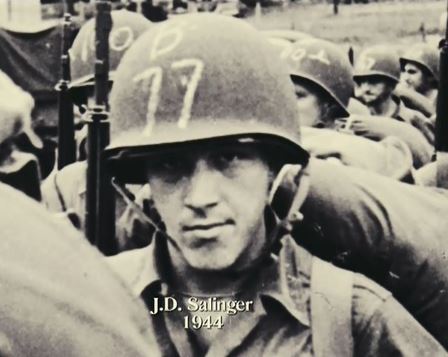
Salinger served with the Twelfth Infantry Regiment of the 4th Infantry Division, 4th CIC detachment, of the United States Army, having landing at D-Day on Utah Beach (yet, landed with the 8th Infantry Regiment at 0645), witnessed the pre-D-day friendly fire disaster at Slatpon Sands (Exercise Tiger), Liberation of Paris (Salinger’s 4th Infantry Division were the first to enter), dealt with the friendly fire accident at Saint Lo, and was near action in the Battle of Bulge campaigns such as the Hurtgen Forest (Kurt Vonnegut was taken POW. 12th Infantry has 3,142 troops but came out with 1,493 casualties) and Echternach (the 12th Infantry lost a whole company) near Luxembourg City. The 4th Infantry Division comprised the 8th, 4th, and 22nd Infantry Regiments. Each regiment had 3,200 men divided into 3 battalions, but the battalions were divided into 4 rifle companies. As separate auxiliary attachments there was an engineering, medical, quartermaster, HQ (which includes the CIC detachment). Salinger was a Sergeant and Corporal. The CIC unit has two officers and fifteen enlisted men. CIC members didn’t wear rank or insignia and carried a .45 caliber handgun, but also reviewed the work of the Military Police. Towns Salinger’s division were at included Zweifall, Saint Martin, Beuzeville au Plain, Saint Lo, Luxembourg, Nuremberg etc. Later his CIC detachment set up offices at Villa Oberwegner. He married in Pappenheim.


My excavation of this subject is based on two things. 1) From a clinical psychology perspective of helping people because I feel the Catcher in the Rye reveals the type of nihilism and existentialism associated with feelings of modern alienation, attention seeking, and feeling lost especially among boys/men. For example, mass shooters for instance can be or have been compared to people like Holden Caulfield. Yet, Holden as a character who is deeply wounded I see a person worth saving, helping, and assisting. The existential underpinnings of Catcher in the Rye foreshadowed the inevitable shift towards a nihilistic epoch largely produced by a sense of general relativity which in my opinion was created by the hyper-reality of post-capitalism (so I’m at odds with self-ascribed classical liberal gurus such as Jordan B. Peterson), e.g., mass media, life mimicking art rather than art mimicking life, cerebral marketing techniques meant to manipulate the human psyche including sex drives, the erosion of social units due to division-of-labor, financialization, extreme globalization without mitigation protocols in place, i.e., safety nets, and ultimately the reduction of the human soul into material on a type of Darwinist evolutionary trajectory of the strongest survives – a notion with prevails in our culture regardless of political affiliation.

And, (2) To understand history and how the world works such as my analysis on what I call the ACZS Network (Anglo-American Continental Zionist Saud). The group which really runs the Western Power bloc and has run the world since WW2. A group of competing factions in a type of cabal mafia network who cooperate, share ideas, but share a common goal of dominating the majority of humans. Yet, as times change, I’ve noticed the slow entry of Russia into the network and I warn that the style of its entry, with it being far-right, can have grave consequences for the notion of the liberal democracy and the freedoms we value.

** NOTE ** Max Von Hohenloe is mentioned in this timeline and he was referenced in Lee’s (1997) book. This Max von Hohenloe must be Prince Max Egon zu Hohenlohe-Langenburg (1897-1968), and not be confused with the other Max von Hohenloe (1931-1994). The Hohenloe family had many branches which included the Hohenlohe-Waldenburg-Schillingsfürst. The Schillingfurst branch included Stephanie von Hohenloe who is allegedly from a Jewish common family who married into the Hohenloe, which is more of a common practice than talked about, such as parts of the House of Löwenstein-Wertheim. Stephanie von Hohenloe was a Nazi spymaster, awarded a medal by Hitler, and went to England to spy and seduce some members of the English far right aristocracy. This is where groups such as the Cliveden Set of Lady Astor but also Harold Sidney Harmsworth, 1st Viscount Rothermere, a tabloid publisher sympathetic to Fascism. Her intrigues were during the time of Neville Chamberlain’s appeasement of Hitler which compelled him to invade other nations.

December 1942: Walter Schellenberg, head of the SD (SS foreign intelligence service) who also happened to be a director of ITT’s German subsidiary came in December 1942 when he dispatched Prince Max von Hohenloe, a Prussian aristocrat and businessman, to Bern to se whether a rapprochement with the United States was possible. (Lee, p. 19)

September 12, 1943: [Otto Skorzeny saves Mussolini] On September 12, 1943, they swooped upon the mountain stronghold, stormed the Hotel Camp Imperatore, where the Duce was incarcerated, and plucked him from captivity. With little time to spare, Mussolini and Skorzeny piled into a light reconnaissance plane. The pilot used the sudden, thousand foot drop off the side of the mountain to gather speed. When it pulled out of dive, the plane barley cleared the trees below. An unshaven Mussolini turned white from vertigo. With tears streaming down his cheeks, the Duce proclaimed en route to a reunion with the Fuhrer, “I knew my friend Adolf Hitler would not leave me in the lurch.” (Lee, p. 17-18)

July 20, 1944: Adolf Hitler and his top military advisors had gathered at the Wolf’s Lair, the Fuhrer’s headquarters in East Prussia, for an early-afternoon strategy session on July 20, 1944. They were listening to Lieutenant General Adolf Heusinger, chief of operations of the Wehrmacht (German army), deliver a bleak reports about Germany’s latest misfortunes on the eastern front. Suddenly a violent explosion hurled everyone onto the floor. Writhing and coughing amid thick smoke and dust, several German officers could hear Field Marshal Wilhelm Keitel shout, “Wo ist der Fuhrer?” (“Where is the Fuhrer?”) (Lee, p. 3)

August 10, 1944: On August 10, 1944, twenty days after the abortive coup attempt, sixty-seven prominent German industrialists – including leaders of Messerschmitt, Krupp, Volkwagenwerk, and other major companies – gathered at the Hotel Maison Rouge in Strasbourg. During the top-secret conclave, they made preparations “for the economic campaign which will follow the end of the war,” according to the minutes to the meetings, which were subsequently discovered by the U.S. Army Counterintelligence Corps. Conference records indicate that the participants had agreed to shift a prodigious amount of Nazi loot to neutral countries. Some Nazi firms would be relicensed outside Germany in order to dodge reparations claims the minutes noted, “so that after the defeat a strong, new Reich can be built” (Lee, p. 22)

September 1944: By September 1944, there were several confirmed reports that German submarines were taking both people and plundered capital from Spain to South America. (Lee, p. 22)

September 1944: In September 1944, when Hungary’s dictator, Admiral Miklos Horthy, a Nazi ally, was on the verge of suing for peace with Russia as Axis fortunes plunged, Skorzeny led a contingent of Special Forces into Budapest to kidnap Horthy and replace his government with the more hard-line Fascist Arrow Cross regime. That regime, in turn, went on to kill or to deport to concentration camps tens of thousands of Hungarian Jews who had managed to survive the war up to that point. (Raviv & Melman, 2016)

December 7, 1944: Salinger’s boss, Captain Oliver Appleton, reported that “Agents of this detachment took over the duties of the 83rd CIC Detachment in the City of Luxembourg” and that “offices were established at Mondorf, Senningen, and Junglinster”  (Alsen, p. 77, para 2)

December 16-24, 1944: The Battle of Luxembourg cost Salinger’s Twelfth Infantry Regiment almost as many casualties as the Battle of the Hurtgen Forests. The regiment was especially hard hit during the action around the town of Echernach. The town is located on the Sauer River, twenty-one miles northeast of Luxembourg City. During the Echternach battle – which raged from December 16 to 24, 1944 – the Twelfth Regiment lost a whole company that was taken prisoner by the Germans. But the regiment held the town and prevented the Wehermacht from advancing toward the city of Luxembourg. The Battle of Echternatch was part of Field Marshall Gerd von Rundstedt’s preparation for the Ardennes Offensive, also known as the Battle of the Bulge. (Alsen, p. 76, para 1).

January 1, 1945: Although little of the work of Salinger’s CIC detachment in Luxembourg was noteworthy, they did make one spectacular arrest whey they apprehended a Nazi spy outside the command post of the Eighth Regiment. This happened on January 1, 1945, a week after the Battle of Echternach. The spy’s name was Marcel Silberseisen, or perhaps Silbereisen, and his instructions were as follows: “Subject was…to find out especially how many armored units there were in the area, their unit numbers and strength in men and weapons, whether or not they were fully motorized, and their locations; also the location of any other units observed.” (Alsen, p. 78, para 2).

April 12, 1945: Roosevelt dies (Lee, p. 25)

April 27, 1945: Kaufering Lager IV was labeled the Krankenlager, the camp for the sick of the other ten Kaufering camps. But it was really an extermination camp because the sick prisoners, most of them Jews from Eastern Europe, did not receive any medical attention. Instead they were left to die from their sicknesses or from starvation. Soldiers of the US Army’s Twelfth Armored Division discovered Kaufering Lager IV around noon on April 27, 1945. At that time some of the camp’s building were still burning. On the previous day, April 26, the last eight hundred prisoners who were well enough to travel had been loaded onto railroad cattle cars to be transported to the main camp at Dachau. The morning of April 27, just before the SS guards abandoned the camp, they had a tank truck spray gasoline on the roofs of the eight earthen huts that housed the prisoners who were too sick to be evacuated. Then the SS set hose huts on fire. (Alsen, p. 83)

April 28, 1945: Salinger probably went to see the camp (Kaufering Lager IV, a concentration extermination camp for the sick). (Alsen, p. 83).

** The transcripts of the Dacau war crimes trials supply the most accurate Kaufering death count. According to those figures, Salinger would have seen the corpses of eighty-six prisoners who had been burned to death, plus 274 others of people had died from starvation or typhus or had been shot to death. (Alsen, p. 86)

** The astonishing thing about Salinger’s visit to the Kaufering concentration camp is that it did not result in a change of his nonjudgmental attitude towards Nazis or in the change of his negative attitude toward the war and the US Army (Alsen, p. 88)

May 13, 1945: Salinger’s May 13, 1945, letter to Elizabeth Murray shows that his nervous collapse had a more profound effect on his mind than mere despondency – that it impaired his judgement and his rationality. (Alsen, p. 95)

May 16, 1945: On May 16, 1945, he (Otto Skorzeny) emerged from the woods with a small group of German soldiers and strutted into the command post of the U.S. Thirtieth Infantry Regiment near Salzburg, Austria. (Lee, p. 26)

June 1945: Henry Kissinger (970th Counter Intelligence Corps) was made commandant of the Bensheim metro CIC detachment, Bergstrasse district of Hesse, with responsibility for de-Nazification of the district. (Isaacson, 1992)

July 1945: A week after the end of the war, Salinger suffered a mental collapse. But it took him two months, until July 1945, to seek help in the psychiatric ward of a civilian hospital. He mentions his nervous breakdown in a letter he wrote to Ernest Hemingway from that hospital… (Alsen, p. 89, para 1)

** In his letter to Hemingway, Salinger says that his nervous breakdown made him turn to “a General Hospital in Nuremberg.” Because in 1945 no other hospital in Nuremberg had a psychiatric clinic, that hospitals must have been the Klinikum Nord, then called the Allgemeines Stadtisches Krankenhaus, the Municipal General Hospital.

July 1945: In July 1945, two months after the end of the war, Dr. Ulrich Fleck, a prominent Nazi, still remained doctor of the psychiatric clinic at the Nuremberg hospital. Dr. Fleck’s file in Nuremberg City archived shows that he had been a Strumbannarzt (storm trooper doctor) of the paramilitary SA from 1933 to 1934, and a member of the Nazi Party from 1937-1945 (Alsen, p.91, para 1)

** And two of his letters from 1945 show that he came to see his Nazi hunting as a joke (Alsen, p. 110, para 4).

July 20, 1945: Operation Paperclip is initiated but wasn’t officially approved by President Truman until the next year.

September 1945: In September 1945, Skorzeny was escorted to Nuremberg, where the war crimes trials were about to begin (Lee, p. 30).

September 20, 1945: OSS disbanded, ironically enough, on September 20, 1945, the same day the Prussian spy chief (Reinhard Gehlen) arrived in the United States. (Lee, p. 34)

October 18, 1945: JD Salinger married the German, Slyvia Welter in Pappenheim, Germany by forging a French passport in order to get around fraternization laws. (Alsen, p. 102-103)

November 1945: By November 1945, when Salinger began his work as a special investigator, the chief responsibility of the CIC had become the denazification program. The program was created by the Allied Control Council even before Germany and Austria were completely occupied. The purpose of denazification was to remove all Nazi officials from positions of influence and to punish all former members of the Nazi Party from having supported an evil regime. The basic assumption behind denazification was that all Germans and Austrians were Nazis unless they could provide proof to the contrary. (Alsen, p. 111, para 1)

March 5, 1946: Originally, OMGUS (the Office of the Military Government, United States) tried to accomplish the task of denazification through special courts staffed by the divisional civilian affairs detachments of the US Army. But the courts could not keep up with the staggering number of former Nazis waiting for their trials. By March 1946, the military government’s judge advocate estimated that the number of persons in internment camps was 100,000, but the Denazification Policy Board believed that “the number to be tried might well be 500,000.” The military governor of the American Zone of Occupation, General Lucius Clay, reported to Washington that “even if the War Department were to send him 10,000 Americans for the purpose, he could not denazify the US Zone”. OMGUS resolved the dilemma by turning the denazification program over to the Germans. This happened during a ceremony at Munich City Hall on March 5, 1946. But the German denazification courts, or Spruchkammern, immediately developed a reputation for whitewashing former Nazi officials. This must have made Salinger realize that denazification was not working. (Alsen, p. 113-114).

April 1946: American intelligence had its first tentative encounter with Ukrainian emigre groups as early as April 1946, marking the beginnings of one of the earliest and most controversial covert action projects of the Cold War. The Strategic Services Unit (SSU. the successor to the wartime Office of Strategic Services, or OSS. and precursor to the Central intelligence Group and Central Intelligence Agency) learned about anti-Soviet Ukrainian resistance movements that continued after the war in Western Europe.’ Boleslav A. Holtsman, SSU’s X-2 (Counterintelligence) representative in Munich, became the primary American contact with Ukrainian leaders in the American zone in Germany

May 10, 1946: Jerry and Sylvia Salinger arrived in New York on the War Shipping Administration freighter Ethan Allen. On her immigration form, Slyvia again claimed French citizenship. (Alsen, p. 102)

July 1946: Upon returning to Germany in July 1946 (Reinhard Gehlen who had been at Fort Hunt, MD working for the Intel community) he immediately pulled together the makings of a sophisticated espionage apparatus known as “the Org” (Lee, p. 35)

1947: Gehlen’s spies would work initially for army intelligence and then for the CIA, which was founded in 1947. Supported by regular subsidies from U.S. taxpayers and wealthy German industrialists, he set up his base of operations inside a mysterious, high-walled compound near Munich that had once house that staff of Rudolf Hess and Martin Bormann, Hitler’s deputies (Lee, p. 35)

1947: By 1947, there had officially been “a change in emphasis,” according to a once-classified CIC report, “from the denazification mission to the collection of positive intelligence: – which meant that anti-Communism rather than Nazi hunting was now the guiding principles of CIC policy. To the extent CIC operatives continued to chase after Nazis, it was usually not to capture them but to recruit them (Lee, p. 36)

September 1947: Nevertheless, in September 1947 he (Otto Skorzeny) was acquitted of illegal actions during the Battle of the Bulge after a British officer testified that Skorzeny had done nothing that his Allied counterparts had not themselves considered or attempted. Despite the Dachau verdict, Hitler’s ace commando made a lasting impression on Eisenhower, who, as president of the United States, kept a photo of Skorzeny in the White House office (Lee, p. 33)

March 17, 1948: In early March 1948, Frank Wisner (University of Virginia Seven Society), a former OSS officer and a member of the State Department’s Policy Planning Staff, proposed that the State-Army-Navy-Air Force Coordinating Committee (SANACC) form an ad hoc committee to explore the use of Soviet exiles. Under the authority of NSC 4-A, SAN-ACC took up Wisner’s proposal and circulated his paper, “Utilization of Refugees from the Soviet Union in U.S. National Interest,” as SAN-ACC 395. Wisner proposed in SANACC 395 to “increase defections among the elite of the Soviet World and to utilize refugees from the Soviet. World in the national interests of the U.S.” The paper noted the great dissatisfaction of many Russians since the Bolshevik Revolution in 1917 and the growth of Russian anti-Communism during the German occupation in World War H. Wisner believed that at least 700,000 Russians were scattered in European DP camps and elsewhere. This figure, Wisner claimed, represented “the potential nucleus of possible Freedom Committees encouraging resistance movements into the Soviet World and providing contacts with an underground.” According to Wisner, the United States remained “ill-equipped to engage in the political and psychological conflict with the Soviet World,” and the “Soviet satellite areas like the USSR are tending to become a terra incognito.” American ignorance of the Soviet Union in all fields and at all levels, he lamented,was profound and growing. (Ruffner, 1998)

October 1948: As a result of Frank Wisner’s SANACC 395. CIA undertook an-other study of the various emigre groups in Europe. Zsolt Aradi and Boleslav Holtiman had moved on to new assignments, and with CIA’s Office of Special Operations in Germany, now had the responsibility of assessing the Ukrainians… Completed his report, known as Project ICON in October 1948. The report drew from and updated Aradi’s earlier December 1946 work on Ukrainian nationalism. He based. his conclusions on the files of the Army Counter Intelligence Corps in Munich and CIA records.”

1949: There were plenty of true believers in the CIA, which was given the green light to engage in political actions, propaganda, and paramilitary operations that relied heavily on the services of Gehlen and his “spooky Nazi outfit,” as one U.S. agent described it. The Org already employed four thousand Germans when it was bolted lock, stock, and barrel into the CIA in 1949. This was during the peak of the “Chicken Little” era of American espionage, when the sky was always on the verge of falling, or so it seemed. The Agency began shelling out what amounted to $200 million (some o fit siphoned from the Marshall Plan kitty) to satisfy the Org’s voracious, covert appetite (Lee, p. 37)

January 26, 1949: On January 26, 1949, a decree of the Family Court of Queens County, New York, annulled Salinger’s marriage to Slyvia Welter. (Alsen, p. 102)

1950: Gehlen’s biggest booster at the CIA was Allen Dulles, who started running off-the-shelf intelligence activities in Eastern Europe from the office of his Wall Street law firm before he formally joined the Agency in 1950 (Lee, p. 37)

July 1, 1951: Catcher in the Rye by J.D. Salinger is published

August 23, 1951: Frank Wisner becomes Deputy Director of Plans of the CIA and is reported to have been instrumental in the Iran Revolution and Guatemala, etc.

February 2, 1954: Otto von Bolschwing arrives in the USA (Carey, 1981)

1962: Heinz Krug, a Nazi scientist who went to work for the Egyptians to help them develop rockets goes missing and was likely kidnapped by a team lead by Otto Skorzeny. “After Krug was shot, the three Israelis poured acid on his body, waited awhile and then buried what was left in a hole they had dug beforehand. They covered the makeshift grave with lime, so that search dogs — and wild animals — would never pick up the scent of human remains.” “During the war that ended 17 years earlier, Krug was part of a team of superstars at Peenemünde, the military test range on the coast of the Baltic Sea, where top German scientists toiled in the service of Hitler and the Third Reich. The team, led by Wernher von Braun, was proud to have engineered the rockets for the Blitz that nearly defeated England.” (Reviv and Melman, 2016)

November 27, 1962: Parcel sent to rocket scientist Wolfgang Pilz exploded in his office when opened on 27 November 1962, injuring his secretary. [Otto Skorzeny likely behind it after being recruited by Mossad in order to not be outed as a Nazi]

October 29, 1965: Frank Wisner kills himself

March 1969: Otto von Bolschwing got a job in high technology. He was retained as an international business consultant by TCI, the Sacramento firm. The company planned to commercialize on technology development in the Silicon Valley and used a few years earlier to monitor troop movements in the 1967 Arab-Israeli war according to the firm’s founder, Oswald S. Williams. TCI’s subsidiaries in Palo Alto and Mountain View, Advanced Information Systems and International Imaging Systems, were developing a high-volume computer network for business and a navigation system for oil tankers using satellite communications, Williams said.”

References:

Alsen, Eberhard (2018) J.D. Salinger and the Nazis. University of Wisconsin Press (Madison, WI). ISBN 978-0-299-31570-2

Carey, P. (1981). Ex-Nazi’s brilliant U.S. career strangled in a web of lies. Originally published by the Sun Jose Mercury News, Retrieved February 10, 2020, from, http://spitfirelist.com/news/ex-nazi%E2%80%99s-brilliant-u-s-career-strangled-in-a-web-of-lies/

Isaacson, Walter (1992). Kissinger: A Biography. Simon & Schuster. ISBN978-0-671-66323-0.

Lee, Martin A. (1997) The Beast Reawakens. Little, Brown & Company (Canada). ISBN 0-316-51959-6

Reviv, D. and Melman, Y. (2016) The Strange Case of a Nazi Who Became an Israeli Hitman. Haaretz. Published March 27, 2016. Retrieved on March 8, 2020 from https://www.haaretz.com/world-news/europe/the-strange-case-of-a-nazi-who-became-a-mossad-hitman-1.5423137

Ruffner, Michael C. (1998) https://www.cia.gov/library/readingroom/docs/STUDIES%20IN%20INTELLIGENCE%20NAZI%20-%20RELATED%20ARTICLES_0015.pdf
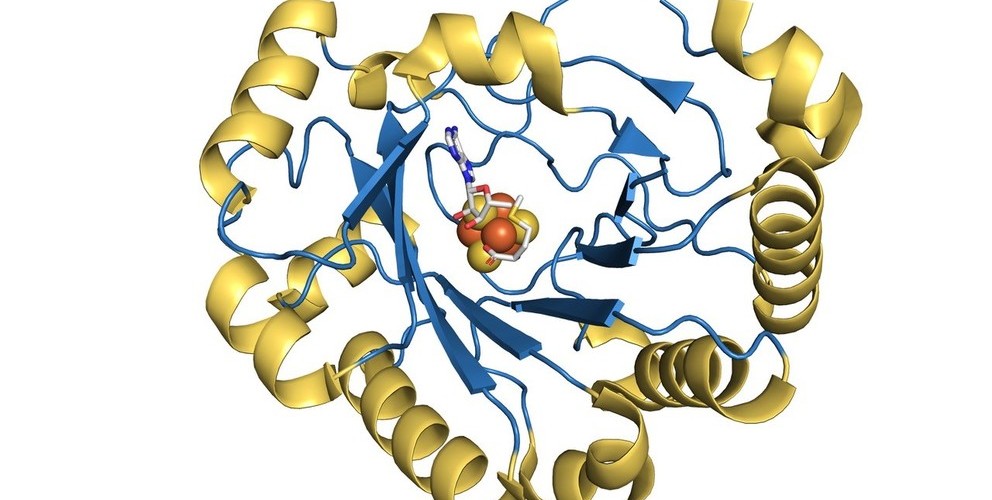
Connecting dots of antiviral research. From mRNA antivirals, RNA hydrolysis, protein inhibitors, understanding current medications (Arbidol, Apoptozole, etc.), discouraging viral sugar-protein connections (OST complexes) and NS proteins (NS1 for modulation of host immunity, NS3 for viral proteases, & NR5 for polymerase), encouraging antivral Viperin SAM ddhCTP enzymes and 3D8 scFv antibodies, etc. Quinton Mitchell

Disclaimer: This post is for personal note, which I just so happen to be sharing. This post isn’t to encourage any unauthorized research or to spread misleading medical information. I’m simply theorizing in public about information I read from actual academics in order to find correlation in their research and to enhance my understanding of medicine, biology, chemistry, virology, etc. This paper is more of a set of notes, so I apologize for poor citations, improper citation format, etc. My view is that, I just want to connect the dots and figure out issues and formalities often get in the way.

Forwards: I’m not a medical or science professional, though I took some classes while in college. Yet, the more I read into the basics of RNA (AGCU), DNA (AGCT), proteins, enzymes, cell functions, etc., the more I seem to understand that fighting viruses (which are typically single strands of viral RNA code with a protein shell) is that you have to chemically “trick”, induce, or fortify healthy cells and trigger them in shutting off certain functions when exposed, but also turning on certain functions when exposed. These functions can range from preventing or discouraging endocytosis (when a cell “eats” a virus to incorporate into its body – cytoplasm, vacuoles, etc. – but the virus hacks the health DNA code), turning off or on certain proteins and enzymes, and triggering immune responses to seek and destroy the virus.

Also, in layman terms (meant for myself) vRNA (viral RNA) like most RNA has a phosphorous backbone and four chemicals, so it’s not entirely a “physical hack”, but more so a “chemical-secretion melody” that the virus “plays” or delivers (think of the chemicals as keys on a piano and when played make a tun) to infect a cell (re-tune or re-harmonize it) to encourage its replication, i.e., it tricks the healthy cell to stimulate ribosome production of viral proteins, enzymes, etc. The viruses are programmed to seek out certain proteins, antibodies, and/or enzymes in order to “pick” a cell’s lock or attract to it and lock in. Thus, if you’re shutting off and on things to fight viruses you might get residual physiological effects such as an immune system running on overdrive and attacking healthy bodily functions such as healthy renal (kidney) function.

I was studying viruses largely due to the Coronavirus dilemma and did some reading into anti-viral research that are using various methods such designing anti-viral mRNA (messenger RNA) which can possibly be loaded into nanoparticles such as poly [lactic-co-glycolic acid] nanoparticles; discouraging the attachment of sugar molecules to viral proteins (such as limiting OST complexes); understanding current medications such as Arbidol (used for influenza and studied regarding Zika – a distant cousin of Hepatitis C, West Nile, Dengue Fever, etc.) , NGI-1 (OST inhibitor), Remdesivir (Ebola), Apoptozole (Hsp70 inhibitor); utilizing protein inhibitors such as NSC 630668-R/1, VER-155008, MAL3–101, MKT-077, Pifithrin, and Apoptozole; preventing NS proteins which have roles in viral replication which includes NS1 (modulates host immunity), NS2A, NS2B, NS3 (protease), NS4A, NS4B, NS5 (polymerase); inhibiting spike protein and its role in virus binding and entry; potentially inhibiting Hsp70 protein (a protein required for folding, which was studied during the Zika outbreak) with drugs such as Apoptozole; harvesting, incorporating, or simulating already naturally occurring in-body anti-viral enzymes such as Viperin ddhCTP (which prevents viruses from copying their genetic material and thus from multiplying); utilizing 3D8 scFv (catalytic enzyme) which has hydrolyzing (breaking up, i.e., cleaving) capabilities and protects the host from multifarious viruses regardless of genomic composition; using Ribonucleases (RNases) (June Byun, S., Yuk, S., Jang, Y. et al.) which represent another antiviral therapy approach to degrading viral RNA genomes. etc., and maybe using saline or magnesia-based medicines to encourage hydrolysis since rNA is hurt by alkaline, and saline (salt water) and magnesia have opposite pH levels to human blood (around 7 pH) which is acidic and where viruses can thrive.

(General Ideas in my head)

Develop Anti-viral Medications which build off studies on Arbidol (NS protein inhibitor used for Influenza), NGI-1 (OST inhibitor to prevent sugar protein connections), Remdesivir, Apoptozole (inhibitor of Hsp70 studied during Zika), or other drugs and develop a vaccine based on a protein expression vector, which forms and secretes a chimeric soluble protein that delivers the viral antigen (MIGAL) based on mRNA (Moderna Therapeutics) that stimulates or introduced harvested naturally occurring anti-viral hydrolyzing enzymes/ribonucleotides such as Viperin (Penn State Study) which produces ddhCTP (which prevents viruses from copying their genetic material and thus from), catalytic antibodies such as 3D8 scFv antibody (National Institute of Animal Science, Rural Development Administration, Korea study) while simultaneously discouraging the proteins vital for viral growth such as inhibiting Hsp70 (Stanford University) and host functions such as oligosaccharyltransferase (OST) complex (attaches sugar molecules to proteins vital for some viruses) (Stanford Unveristy) in order to trigger immune responses to mark the viral code for destruction (Moderna Therapuetics methods).

mRNA coded to (1) encourage Viperin ddCTP to prevent viruses from copying genetic info (2) inhibiting proteins essential for viral protein growths and receptor attachment such as NSC 630668-R/1, VER-155008, MAL3–101, MKT-077 (inhibits breast cancer cells), Pifithrin (potent anti-tumor treatment), and Apoptozole (inhibits Hsp70 studied during Zika) (3) inhibiting OST complexes which attaches sugar molecules to viral proteins and (4) triggering immune responses to mark the viral code for destruction

Using wearable Insulin pumps with Anti-viral medications to monitor the bodies white blood cells and immune system to release the anti-viral serum.

Viperin (ddhCTP enzyme studies against viruses)

ScienceDaily.com (2018) stated how Penn State scientists in conjunction with researchers at Albert Einstein College of Medicine identified the mode of action of viperin, a naturally occurring enzyme in humans and other mammals that is known to have antiviral effects on viruses such as West Nile, hepatitis C, rabies, and HIV. This discovery could allow researchers to develop a drug that could act as a broad-spectrum therapy for a range of viruses, including Zika. Viperin is the enzyme that facilitates a reaction that produces the molecule ddhCTP, which prevents viruses from copying their genetic material and thus from multiplying. This discovery could allow researchers to develop a drug that induces the human body to produce this molecule and could act as a broad-spectrum therapy for a range of viruses. A virus typically co-opts the host’s genetic building blocks to copy its own genetic material, incorporating molecules called nucleotides into new strands of RNA. The molecule ddhCTP mimics these nucleotide building blocks and becomes incorporated into the virus’s genome. Once incorporated into a new strand of the virus’s RNA, these “nucleotide analogs” prevent an enzyme called RNA polymerase from adding more nucleotides to the strand, thus preventing the virus from making new copies of its genetic material. “Long ago, the paradigm was that in order to kill a virus, you had to kill the infected cell,” said Cameron. “Such a paradigm is of no use when the virus infects an essential cell type with limited capacity for replenishment. The development of nucleotide analogs that function without actually killing the infected cell changed everything.” https://www.sciencedaily.com/releases/2018/06/180620150150.htm

Viperin, a member of the radical S-adenosyl-l-methionine (SAM) superfamily of enzymes, is an interferon-inducible protein implicated in the inhibition of replication of a broad range of RNA and DNA viruses.

Craig Cameron, professor and holder of the Eberly Chair in Biochemistry and Molecular Biology at Penn State and an author of the study. cec@psu.edu

Anthony S. Gizzi, Tyler L. Grove, Jamie J. Arnold, Joyce Jose, Rohit K. Jangra, Scott J. Garforth, Quan Du, Sean M. Cahill, Natalya G. Dulyaninova, James D. Love, Kartik Chandran, Anne R. Bresnick, Craig E. Cameron, Steven C. Almo. A naturally occurring antiviral ribonucleotide encoded by the human genome. Nature, 2018; DOI: 10.1038/s41586-018-0238-4

Penn State. “Compound made inside human body stops viruses from replicating.” ScienceDaily. ScienceDaily, 20 June 2018. www.sciencedaily.com/releases/2018/06/180620150150.htm 

 [Note: in lieu of antiviral medications, can technology such as wearable Insulin pumps be worn to provide constant or timed doses of anti-viral medications?]

[Note: How are antiviral medications made? It seems by loading antibodies into nanoparticles such as poly [lactic-co-glycolic acid] nanoparticles (3D8-PLGA NPs)]

3D8 scFV Catalytic antibody research in anti-viral research

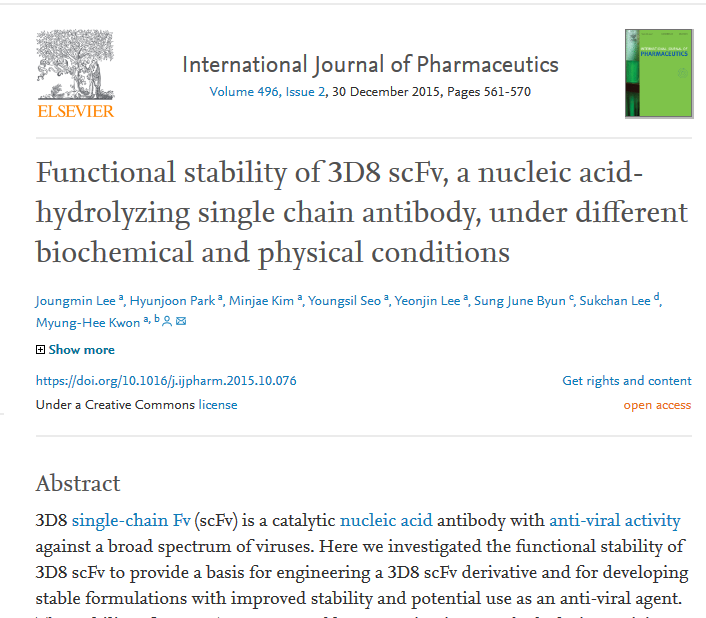
Korean researchers associated with National Institute of Animal Science, Rural Development Administration; Ajou University School of Medicine, and Sungkyunkwan University, supported by Cooperative Research Program (PJ010201) of the Rural Development Administration of Korea, studied the factors that influence the enzymatic stability of the catalytic antibody 3D8 scFv in various biochemical and physical environments. Based on its enzymatic stability, 3D8 scFv holds good potential for development as an anti-viral therapeutic.

Our study provides an understanding of the factors that influence the enzymatic stability of the catalytic antibody 3D8 scFv in various biochemical and physical environments. Based on its enzymatic stability, 3D8 scFv holds good potential for development as an anti-viral therapeutic.

3D8 scFv is a catalytic antibody with nucleic acid-binding and -hydrolyzing activities that undergoes cellular internalization. Attention has been given to 3D8 scFv due to its anti-viral effect against a broad spectrum of viruses. The anti-viral activity of 3D8 scFv was demonstrated in vitro (Joung et al., 2012, Jun et al., 2010) and in vivo (Lee et al., 2013a, Lee et al., 2013b, Lee et al., 2014) against animal viruses such as classical swine fever virus (CSFV) (Jun et al., 2010), vesicular stomatitis virus (VSV) (Joung et al., 2012, Jun et al., 2010), and human herpes simplex virus-1 (HSV-1) (Lee et al., 2014), as well as against a variety of plant viruses (Lee et al., 2013a, Lee et al., 2013b).

Most recently, the possibility of developing preventive anti-viral probiotics was demonstrated by generating a transgenic Lactobacillus that secretes 3D8 scFv that protected mice against infection by gastrointestinal murine norovirus (Hoang et al., 2015). The mechanism of action of the anti-viral effect of 3D8 scFv is believed to be due to its ability to hydrolyze the nucleic acids (the genome and/or transcripts) of invading viruses during the early phase of infection.

The fact that 3D8 scFv protects the host from multifarious viruses regardless of genomic composition makes 3D8 scFv a candidate for potential application as an anti-viral agent.

https://www.sciencedirect.com/science/article/pii/S0378517315303446

A virus is a small parasite (zombie or android or replicant) that cannot reproduce by itself. Once it infects a susceptible cell, however, a virus can direct the cell machinery to produce more viruses. Most viruses have either RNA or DNA as their genetic material. The nucleic acid may be single- or double-stranded. The entire infectious virus particle, called a virion, consists of the nucleic acid and an outer shell of protein. The simplest viruses contain only enough RNA or DNA to encode four proteins. The most complex can encode 100 – 200 proteins. (https://www.ncbi.nlm.nih.gov/books/NBK21523/)

All viruses utilize normal cellular ribosomes, tRNAs, and translation factors for synthesis of their proteins. Viruses also often express proteins that modify host-cell processes so as to maximize viral replication. (https://www.ncbi.nlm.nih.gov/books/NBK21523/)

Cellular organisms use messenger RNA (mRNA) to convey genetic information (using the nitrogenous bases of guanine, uracil, adenine, and cytosine, denoted by the letters G, U, A, and C) that directs synthesis of specific proteins. Many viruses encode their genetic information using an RNA genome. Some RNA molecules play an active role within cells by catalyzing biological reactions, controlling gene expression, or sensing and communicating responses to cellular signals. One of these active processes is protein synthesis, a universal function in which RNA molecules direct the synthesis of proteins on ribosomes. This process uses transfer RNA (tRNA) molecules to deliver amino acids to the ribosome, where ribosomal RNA (rRNA) then links amino acids together to form coded proteins. https://en.wikipedia.org/wiki/RNA

To understanding how proteins are made, according to ScienceMueseum.org.uk (n.d.) to make a protein, a cell must put a chain of amino acids together in the right order. First, it makes a copy of the relevant DNA instruction in the cell nucleus and takes it into the cytoplasm – a bit like taking a photocopy of the instruction manual from the manager’s office out to the assembly lines in a car factory. Here, the cell decodes the instruction and makes many copies of the protein, which fold into shape as they are produced. (ScienceMueseum.org.uk, n.d.). The first part of the DNA double helix in the cell nucleus unwinds and unzips. The DNA instructions are copied according to ScienceMueseum.org.uk (n.d.) when the DNA instruction is revealed, flanked by ‘start’ and ‘stop’ codes. The cell makes a copy of the DNA in the form of an RNA molecule. The RNA copy is trimmed, and then enters the cell cytoplasm to be decoded. It is now called messenger RNA (mRNA). All proteins are made up of combinations of 20 different amino acids. The RNA code (like DNA) is written in just four different chemical ‘letters’ – bases. The RNA copy made in the cell nucleus is usually much longer than the one that is decoded in the cell cytoplasm. After a cell makes an RNA copy of a gene, it snips out the introns and sticks the exons together to make messenger RNA (mRNA). Once in the cytoplasm, the mRNA is snatched up by tiny protein-assembly machines called ribosomes. Each ribosome works its way along the mRNA, reading the code from ‘start’ to ‘stop’, selecting the correct amino acid building blocks and ejecting a growing protein. It takes just one 50th of a second for the ribosome to select and add each building block. At this rate, a cell can assemble a small protein like insulin in just a few seconds. http://whoami.sciencemuseum.org.uk/whoami/findoutmore/yourbody/whatdoyourcellsdo/howdocellsmakeproteins/howareproteinsmade

Notes: Protons, Electrons, Neutrons > Atoms > Elements (things which expresses same number of protons) > Molecules (Pairings of more than one element, and this categories includes polymers such as RNA and DNA) > Compounds (A combo of multiple molecules) > Substances (Proteins, Enzymes)

RNA is not stable under alkaline conditions unlike DNA. RNA is used to transfer the genetic code from the nucleus to the ribosomes to make proteins. It’s compositions and base sugars are a phosphate backbone, adenine, guanine, cytosine, uracil bases. RNA directly codes for amino acids and acts as a messenger between DNA and ribosomes to make proteins. (Thoughtco.com, Helmenstine, 2020). https://www.thoughtco.com/dna-versus-rna-608191

(Note) So, if many viruses are RNA based (single strand containing sugar phosphate ribose as opposed deoxyribonucleic sugar phosphate) and they can’t exist under alkaline conditions, then does increasing alkaline conditions eradicate or destabilize the virus? If it has a phosphate backbone, can you “break” it’s back, potentially with alkaline? Such as using alkaline hydrolysis.

RNA hydrolysis is a reaction in which a phosphodiester bond in the sugar-phosphate backbone of RNA is broken, cleaving the RNA molecule. RNA hydrolysis occurs when the deprotonated 2’ OH of the ribose, acting as a nucleophile, attacks the adjacent phosphorus in the phosphodiester bond of the sugar-phosphate backbone of the RNA. When the RNA is double-stranded or involved in nucleotide base pairing, it is more stable and spontaneous cleavage is significantly less likely. In these instances, cleavage is done using catalytic enzymes. https://en.wikipedia.org/wiki/RNA_hydrolysis

(Note) Human blood has a Ph level of 7.35 to 7.45. A base on PAR with this (not that I’m saying this would be effective at all) is pure water at around 7, with Saltwater at 8, Baking Soda at 9, and Milk of Magnesia at 10. So, if virus thrive in acid environments such as blood, but they’re adverse to alkaline then does utilizing saline solutions or magnesia-based solutions help anti-viral medications or in anti-viral medication routines, i.e., taking saline or magnesia supplements after talking antiviral medications (those utilizing mRNA or encouraging anti-viral enzyme ribonucleotide production)?

Extreme alkaline and heat treatments to kill viruses as studied by Lemire, Rodriguez, and McIntosh (2016) of the Foreign Animal Disease Diagnostic Laboratory. Note: The only problem with this is that extreme alkaline and heat treatments can’t be performed inside the body, however alkaline is a base, and certain bases such as saline, magnesia, and even baking soda aren’t toxic to the human body in limited doses. Yet, alkaline hydrolysis could be used in spraying techniques for contaminated surfaces in public areas.

Lemire, K.A., Rodriguez, Y.Y. & McIntosh, M.T. (2016) concluded that Treated DNA, while denatured, remains suitable for most common molecular biology procedures including PCR, transformation of E. coli, and molecular sequencing. The procedure ensures not only the inactivation of a variety of viruses but also the degradation through hydrolysis of potentially contaminating infectious+ssRNA viral genomes. Further, their results determined that the new procedure reduced intact RNA beyond the limit of detection by real-time RT-PCR and inactivated viruses by in vitro culture infectivity assays. The authors also state the hardships in research by stating that diagnostics and research of high-consequence animal disease agents is often limited to laboratories with a high level of biosecurity that restrict the transport of biological material. Often, sharing of DNA with external partners is needed to support diagnostics, forensics, or research.

RNA and DNA are differentially susceptible to enzymatic degradations; however, such procedures are susceptible to unintended DNA damage and/or failure due to enzyme or cofactor instabilities. Therefore, we describe the development and verification of a robust and simple chemical and physical method to selectively degrade RNA from purified DNA preparations. The procedure employs incubation of DNA in 0.25 N sodium hydroxide at 65 °C for 1 h followed by neutralization and boiling for 10 min to hydrolyze contaminating RNA and inactivate animal disease viruses from DNA preparations. Additional critical quality control elements include use of a synthetic control RNA (SCR) and an SCR-specific real-time RT-PCR to track effectiveness of the procedure in a parallel treated control sample, and a pH check of reagents to ensure proper neutralization of alkaline conditions.

RNA is uniquely unstable in alkaline conditions because bases can easily deprotonate the hydrogen from the hydroxyl group on the 2’-carbon atom (Fig. 1). This deprotonation causes the oxygen to become negatively charged leading to a nucleophilic attack on the adjacent phosphate atom leading to the cleavage of the phosphopentose backbone of RNA.

This autocatalytic degradation is a property of the RNA phosphopentose backbone itself, the use of alkaline pH combined with heat treatment has been used to selectively degrade RNA from RNA:DNA or RNA:cDNA hybrids

Lemire, K.A., Rodriguez, Y.Y. & McIntosh, M.T. Alkaline hydrolysis to remove potentially infectious viral RNA contaminants from DNA. Virol J 13, 88 (2016). https://doi.org/10.1186/s12985-016-0552-0

Relating to rRNA Hydrolysis, Delehanty, Stuart, Knight, Goldman, Thach, Bongard, & Chang (2005)

(Notes on the Zika Virus)

Huber (2017) interviewed Judith Frydman, PhD, senior author of the paper and a professor of genetics and of biology at Stanford relating to proteins and Zika. Per the articles by Huber (2017), one of those factors is a type of protein called Hsp70, which helps proteins fold correctly and performs a wide range of housekeeping and quality-control functions in cells (Huber, 2019). Based on a series of experiments in mosquito and human cells, the Stanford study found that certain Hsp70 proteins are required in multiple steps of the Zika virus’ lifecycle. By blocking Hsp70 with an Hsp70 inhibitor drug, the researchers were able to prevent virus replication, as recently reported in Cell Reports. “The virus has a much higher demand for Hsp70 than the host cellular processes,” Frydman said. “We can exploit the viral ‘addiction’ to Hsp70 for treatment to prevent the virus from producing the proteins it needs to replicate and infect cells. But most importantly, we show Hsp70 inhibitors can be administered to animals at therapeutically effective doses. To my knowledge, this is the first drug that actually works for Zika-infected animals, protecting them from lethal infection and disease symptoms.” (Huber, 2019). https://scopeblog.stanford.edu/2019/02/06/blocking-zika-new-antiviral-may-treat-and-prevent-infection-a-stanford-study-suggests/

jfrydman@stanford.edu

Taguwa et al. (2019) stated we find that for ZIKV, similar to DENV virus, Hsp70 functions at distinct steps of the ZIKV life cycle: virus entry, formation of the active replication complex, and particle production. (Taguwa, Yeh, Rainbolt, Gestwicki, Andino, & Frydman, 2019). https://www.cell.com/cell-reports/pdf/S2211-1247(18)32055-2.pdf

What drugs inhibit Hsp70 current inhibitors identified to target mammalian Hsp70 include NSC 630668-R/1, VER-155008, MAL3–101, MKT-077, Pifithrin, and Apoptozole. https://www.ncbi.nlm.nih.gov/pmc/articles/PMC6642669/

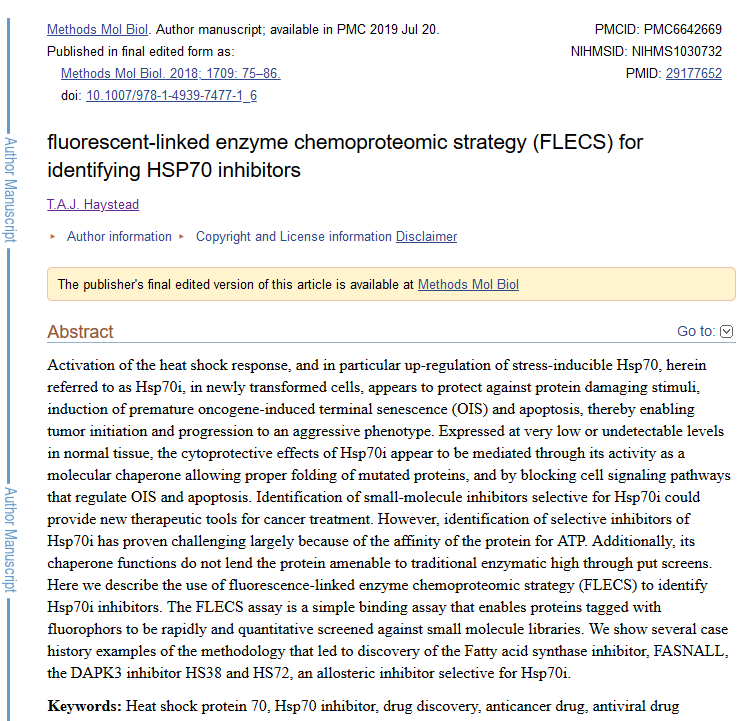
How do you find inhibitors? Haystead (2018) “fluorescent-linked enzyme chemoproteomic strategy (FLECS)” “FLECS is a Universal assay that enables purine utilizing proteins of diverse function to be screened against small molecule libraries.” “The FLECS screen is a variation of proteome mining technology utilized in the discovery of the Hsp90 inhibitor SNX5422 21. Proteome mining was designed to screen all purine binding proteins (the purinome) expressed in cells/tissues en masse against large directed chemical libraries, matching early chemical starting points with targets 22,23. The power of this approach enabled not only hundreds of diverse enzymes to be screened at a single step but also enabled the selectivity of a particular hit molecule to be determined simultaneously. The same assay could also then be used in subsequent iterative campaigns to monitor or improve selectivity as one strived to improve the molecules potency and bioavailability.” https://www.ncbi.nlm.nih.gov/pmc/articles/PMC6642669/

Yet, HsP70 inhibitors could have effects on renal (kidney) functions.

Haystead (2018) Like NSC 630668-R/1, MAL3–101 is quite large and has a number of labile ester groups. MKT-077 targets the NBD and inhibits proliferation in tumor cell lines, however, severe renal dysfunction in patients was observed in phase I clinical trials. Pifithrin, binds to the SBD of both Hsc70 and Hsp70i disrupting client protein interaction in vitro. In tumor cells the molecule promotes caspase dependent cell death in tumor cells only suggesting it has some specificity to Hsp70i in vivo, although p53 binding has also been shown, which could explain its antitumor actions 18. MKT-O77 and Pifithrin have potential reactive groups that render them covalent modifiers, which may contribute to side effects in vivo. More promising inhibitors of the Hsp70 class are second and 3rd generation MKT-077 analogs JG18 and JG40. Their mechanism of action and specificity lies in interaction with Hsp70 co-chaperones such as NEF https://www.ncbi.nlm.nih.gov/pmc/articles/PMC6642669/

Haystead T. (2018). Fluorescent-Linked Enzyme Chemoproteomic Strategy (FLECS) for Identifying HSP70 Inhibitors. Methods in molecular biology (Clifton, N.J.), 1709, 75–86. https://doi.org/10.1007/978-1-4939-7477-1_6 [Note: NIH grants R01-AI089526-04 to T.A.J.H. and a Department of Defense Transformative Vision Award to T.A.J H.]

Relating to simple sugar’s relation to viruses, Huber (2017) detailed a Stanford and Yale research team who studied OST and its relation to viruses such as Zika. Specifically, they demonstrated the importance of the oligosaccharyltransferase (OST) complex that attaches sugar molecules to proteins. They found flaviviruses did not infect their genetically engineered cells without OST.In the new study, published today in Cell Reports, the Stanford researchers collaborated with scientists at Yale University to test the effectiveness of a drug called NGI-1, which inhibits the activity of the OST complex. They showed that low concentrations of NGI-1 could be used to block the viruses from replicating without harming the host cells — successfully reducing the infection by 99 percent when treating cells immediately after they were infected by Zika or dengue virus, and by 80 percent when administered 24 hours after infection. Their study also indicated that the viruses are unlikely to become resistant to NGI-1. “When you target a host function rather than a viral protein, it’s usually much more difficult for a virus to develop resistance,” Carette said in the release. So, instead of traditional approach of attacking an individual virus directly, the researchers focused on the cellular factors of their human hosts that are essential to many viral infections. (Huber, 2017)

The Cell Report’s (2017) publication of the study spoken about by Huber (2017) conducted by A.S. Puschnik, C.D. Marceau, Y.S. Ooi, K. Majzoub, N. Rinis, J.N. Contessa, and J.E. Carette (2017) stated NGI-1 is an aminobenzamide-sulfonamide compound that targets both OST isoforms and therefore may exhibit antiviral activity against flaviviruses (Figure 1A). To test its inhibitory properties, we infected HEK293 cells with luciferase expressing DENV or ZIKV, treated cells with increasing concentrations of NGI-1, and measured viral replication 48 hr post-infection (hpi) (Figures 1B and 1C). The work was funded in part by the NIH (grants DP2 AI104557 and U19 AI109662 to J.E.C. and RO1CA172391 to J.N.C.), the David and Lucile Packard Foundation (J.E.C.), a Stanford graduate fellowship (A.S.P.), Boehringer Ingelheim Fonds (A.S.P.), and the NSF-GFRP (C.D.M.).

https://www.cell.com/cell-reports/fulltext/S2211-1247(17)31706-0

Fink, S.L., Vojtech, L., Wagoner, J. et al (2018) stated that Arbidol (ARB, umifenovir), used clinically for decades in several countries as an anti-influenza virus drug, inhibits many other viruses. Further, Fink, S.L., Vojtech, L., Wagoner, J. et al (2018) stated that Zika is a distant relative of the hepatitis C virus, which lies in a novel genus within the Flaviviridae called Hepacivirus.

Upon binding to one or more cell-surface receptors, flaviviruses enter cells via endocytosis (note: the taking in of matter by a living cell by invagination [cell eating or drinking, often by encircling) of its membrane to form a vacuole [compartments], i.e., the cell membrane encircles the foreign entity and stores it in a pouch in its inner cell). Once the endosomal lumen is acidified, the viral surface glycoproteins undergo a conformational change, which induces fusion of the endosomal membrane with the viral envelope, releasing the viral genome into the cytoplasm (Fink, S.L., Vojtech, L., Wagoner, J. et al, 2018).

The ZIKV genome is single stranded, positive sense RNA and over 10 kb (kilobase) in length. Like all flaviviruses, the RNA genome encodes a genome-length polyprotein precursor, with proteins arranged in the following order: 5′-C-prM-E-NS1-NS2A-NS2B-NS3-NS4A-NS4B-NS5-3′. The polyprotein is cleaved (split and divided) by cellular and viral proteases (an enzyme that catalyzes [increases the rate of] proteolysis), the breakdown of proteins into smaller polypeptides or single amino acids) to yield the viral structural and non-structural proteins (NS) (Fink, S.L., Vojtech, L., Wagoner, J. et al, 2018). Structural proteins include Capsid (C), precursor Membrane (prM), Envelope (E), and Non-Structural proteins (NS). Many NS proteins have roles in viral replication and include NS1 (modulates host immunity), NS2A, NS2B, NS3 (protease), NS4A, NS4B, NS5 (polymerase) (Fink, S.L., Vojtech, L., Wagoner, J. et al, 2018).

Lastly, Fink, S.L., Vojtech, L., Wagoner, J. et al, (2018), Arbidol (ARB, also known as Umifenovir, PubChem CID 131410), is a synthetic antiviral drug developed 30 years ago to combat seasonal influenza virus11. Since that time, ARB has been shown to inhibit viruses from many different families including orthomyxo12, paramyxo13, picorna14, bunya15, rhabdo16, reo13, toga17, hepadna18, hepaci11,19,20,21,22, and filoviridae23. https://www.nature.com/articles/s41598-018-27224-4

Park (2020) stated that National Institute of Health scientists were studying Remdesivir, a drug, in order to combat the coronavirus. Remdesivir (developed from Ebola) showed encouraging results among animals infected with two related coronaviruses, one responsible for severe acute respiratory syndrome (SARS) and another for causing Middle East respiratory syndrome (MERS).

Yet, instead of Remdesivir, Park (2020) stated that Moderna Therapuetics vaccine is packed with mRNA, the genetic material that comes from DNA and makes proteins. Moderna loads its vaccine with mRNA (note: messenger RNA) that codes for the right coronavirus proteins which then get injected into the body. Immune cells in the lymph nodes can process that mRNA and start making the protein in just the right way for other immune cells to recognize and mark them for destruction, and, Dr Stephen Hodge (President of Moderna) elaborated on the mRNA by stating, “mRNA is really like a software molecule in biology. So our vaccine is like the software program to the body, which then goes and makes the [viral] proteins that can generate an immune response.” https://time.com/5790545/first-covid-19-vaccine/

MIGAL (Galile Research Institute) is developing a coronavirus anti-virus based on its studies into Infectious Bronchitis Virus (IBV). Jaffe-Hoffman (2020) quotes, Dr. Chen Katz, MIGAL’s biotechnology group lead, who stated, the scientific framework for the vaccine is based on a new protein expression vector, which forms and secretes a chimeric soluble protein that delivers the viral antigen into mucosal tissues by self-activated endocytosis, causing the body to form antibodies against the virus.

https://www.jpost.com/HEALTH-SCIENCE/Israeli-scientists-In-three-weeks-we-will-have-coronavirus-vaccine-619101

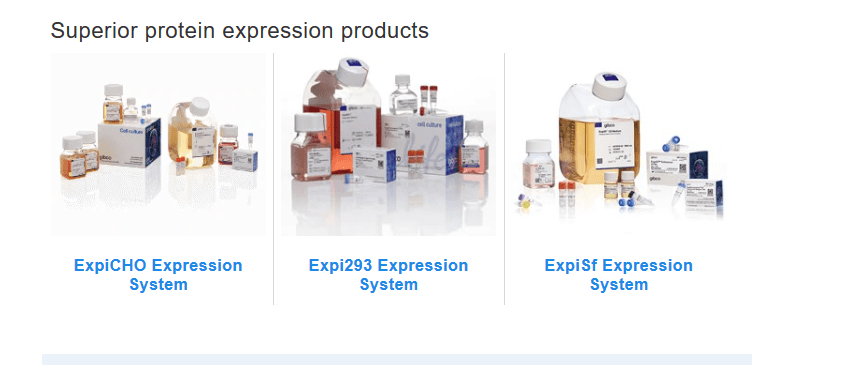
An expression vector, otherwise known as an expression construct, is usually a plasmid or virus designed for gene expression in cells. The vector is used to introduce a specific gene into a target cell, and can commandeer the cell’s mechanism for protein synthesis to produce the protein encoded by the gene. Expression vectors are the basic tools in biotechnology for the production of proteins.

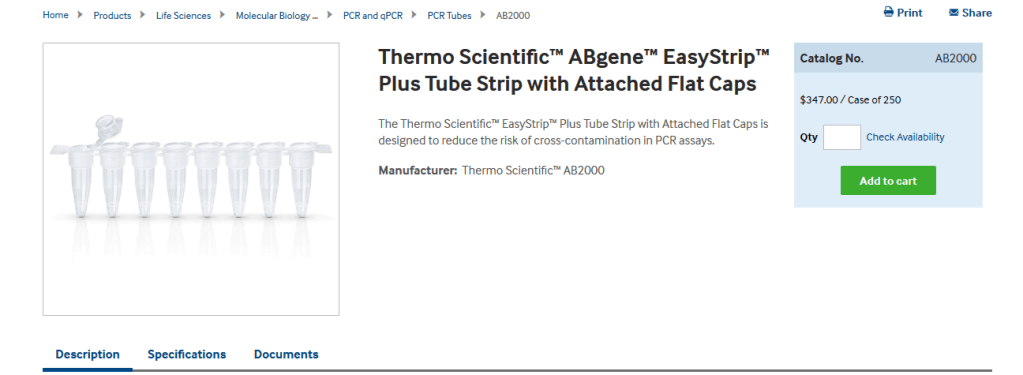
Polymerase chain reaction (PCR) is a method widely used in molecular biology to rapidly make millions to billions of copies of a specific DNA sample allowing scientists to take a very small sample of DNA and amplify it to a large enough amount to study in detail.

The thermal cycler (also known as a thermocycler, PCR machine or DNA amplifier) is a laboratory apparatus most commonly used to amplify segments of DNA via the polymerase chain reaction (PCR).[1] Thermal cyclers may also be used in laboratories to facilitate other temperature-sensitive reactions, including restriction enzyme digestion or rapid diagnostics.[2] The device has a thermal block with holes where tubes holding the reaction mixtures can be inserted. The cycler then raises and lowers the temperature of the block in discrete, pre-programmed steps.

Flow Cytometry In this process, a sample containing cells or particles is suspended in a fluid and injected into the flow cytometer instrument. The sample is focused to ideally flow one cell at a time through a laser beam, where the light scattered is characteristic to the cells and their components. Cells are often labeled with fluorescent markers, so light is absorbed and then emitted in a band of wavelengths. Tens of thousands of cells can be quickly examined, and the data gathered are processed by a computer. Cell counting, Cell sorting, Determining cell characteristics and function, Detecting microorganisms, Biomarker detection, Protein engineering detection, Diagnosis of health disorders such as blood cancers

[Note: seems similar to Fluorescent-Linked Enzyme Chemoproteomic Strategy by TAJ Haystead]

An assay is an investigative (analytic) procedure in laboratory medicine, pharmacology, environmental biology and molecular biology for qualitatively assessing or quantitatively measuring the presence, amount, or functional activity of a target entity (the analyte). The analyte can be a drug, biochemical substance, or cell in an organism or organic sample.[1][2] The measured entity is often called the analyte, the measurand, or the target of the assay. An assay usually aims to measure an analyte’s intensive property and express it in the relevant measurement unit (e.g. molarity, density, functional activity in enzyme international units, degree of effect in comparison to a standard, etc.).

An enzyme-linked immunosorbent assay, also called ELISA or EIA, is a test that detects and measures antibodies in your blood. This test can be used to determine if you have antibodies related to certain infectious conditions.

Recirculating chillers deliver a flow of temperature-controlled fluid. They are enclosed circulators featuring robust cooling systems used for demanding continuous-use lab applications.

A vortex mixer, or vortexer, is a simple device used commonly in laboratories to mix small vials of liquid. Vortex mixers are quite commonplace in bioscience laboratories. In cell culture and microbiology laboratories they may be used to suspend cells. In a biochemical or analytical laboratory they may be used to mix the reagents of an assay or to mix an experimental sample and a dilutant.

An antibody (Ab), also known as an immunoglobulin (Ig), is a large, Y-shaped protein produced mainly by plasma cells that is used by the immune system to neutralize pathogens such as pathogenic bacteria and viruses.

Notes on Labs, Universities associated with Projects, Equipment Suppliers, and Organizations:

  1. Moderna Therapuetics https://www.modernatx.com/
  2. Sino Biological https://www.sinobiological.com/
  3. Promega https://www.promega.com/
  4. BD Bioscience https://www.bdbiosciences.com/en-us
  5. ThermoFisher (includes Life Technologies and Fisher Scientific) https://www.thermofisher.com/us/en/home.html
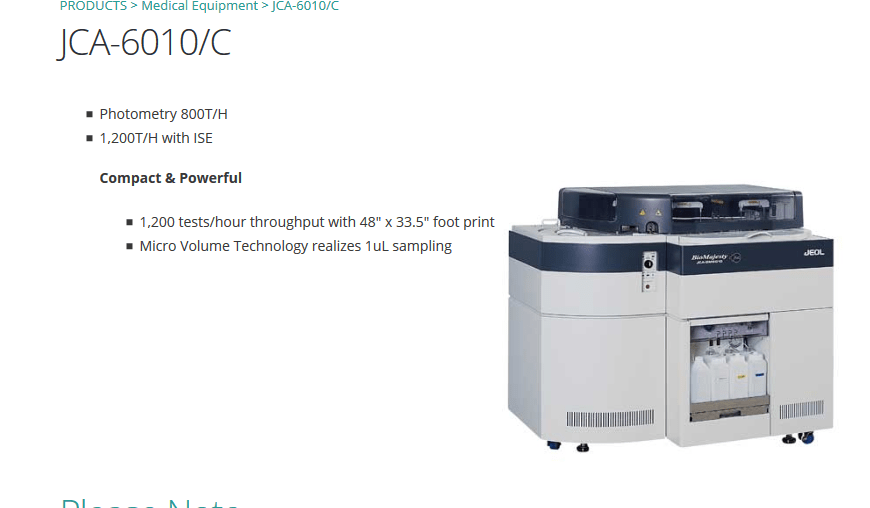
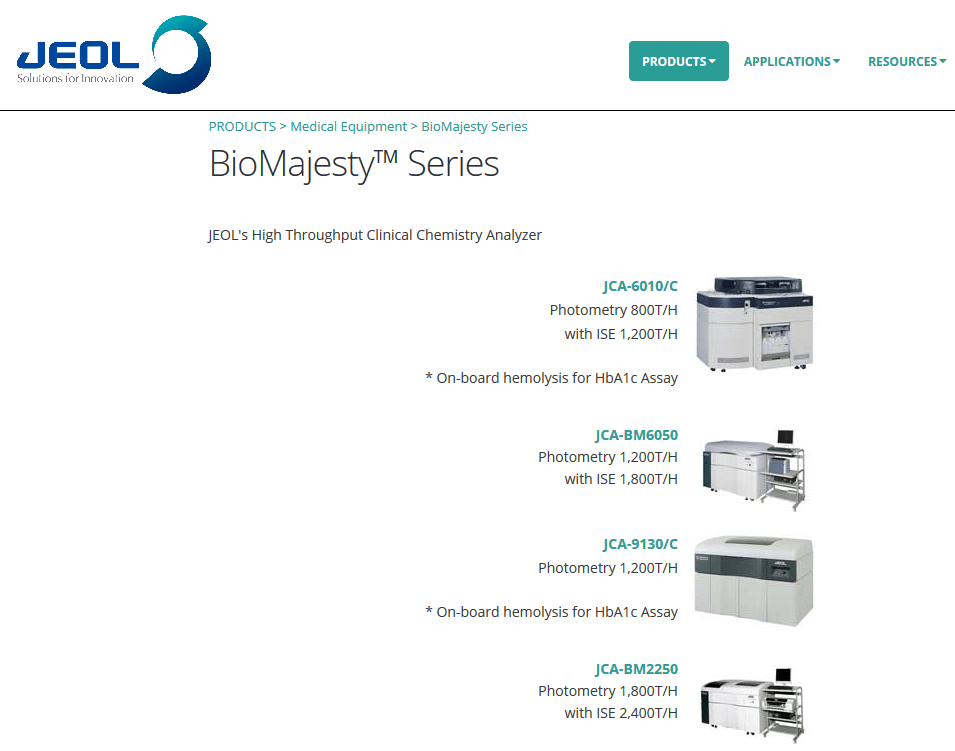
  6. JEOL https://www.jeolusa.com/
  7. Qiagen https://www.qiagen.com/us/
  8. Agilent https://www.agilent.com/
  9. VectorLabs https://vectorlabs.com/
  10. Mettler Toledo https://www.mt.com/us/en/home.html
  11. Hanna Instruments https://www.hannainst.com/
  12. Intertek https://www.intertek.com/
  13. Sigma Aldrich https://www.sigmaaldrich.com/united-states.html
  1. Penn State University on Viperin Antiviral Enzyme Research http://www.cameronlab.com/ cec@psu.edu
  2. Albert Einstein College of Medicine on Antiviral Viperin Enzymes Research
  3. Stanford University on Exploiting Zika addiction to Hsp70 protein jfrydman@stanford.edu
  4. Stanford University of the OST Zika Research carette@stanford.edu
  5. University of Arizona on Nanotechnology
  6. National Institute of Animal Science, Rural Development Administration; Ajou University School of Medicine, and Sungkyunkwan University on 3D8 research
  7. Rockefeller University
  8. National Institute of Health on Remdesivir
  9. MIGAL (Gallile Research Institute) on IBV research and protein expression vectors
  10. Reagent and Vaccine Services Section (RVSS) of the USDA National Veterinary Services Laboratories’ (NVSL) FADDL located at the Plum Island Animal Disease Center (PIADC) relating to Alkaline Hydrolysis and Heat Treatment to kill viruses

Equipment used for the OST NSI-1 Zika Study by the Stanford Research and Yale Team

  1. Renilla Luciferase Assay system (Promega) for Luciferase expression measurement
  2. 96-well plates https://www.promega.com/products/luciferase-assays/reporter-assays/renilla-luciferase-assay-system/?catNum=E2810
  3. CellTiter-Glo (Promega) for Cell Growth in Culture Measurement https://www.promega.com/products/cell-health-assays/cell-viability-and-cytotoxicity-assays/celltiter_glo-luminescent-cell-viability-assay/?catNum=G7570
  4. Trypan blue solution for Cell Growth Measurement
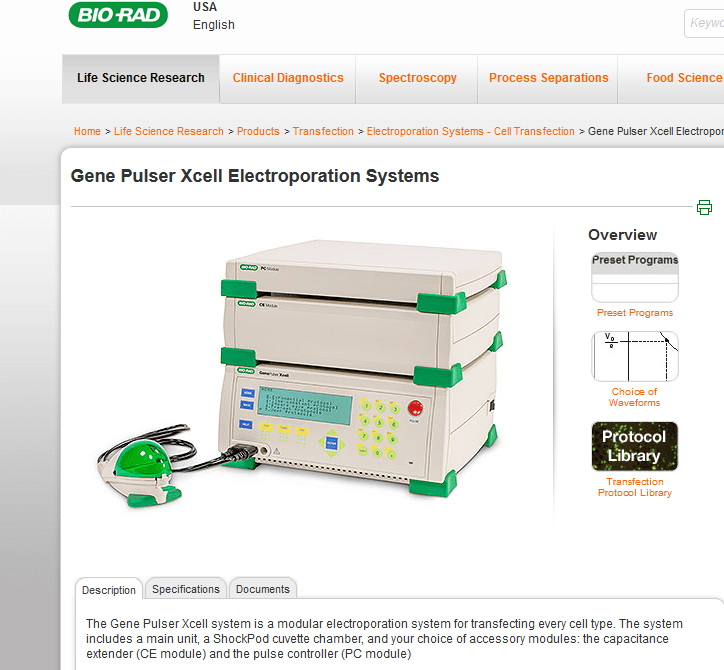
  5. Bio-Rad Gene Pulser Xcell electroporator use for electroporation techniques in which an electrical field is applied to cells in order to increase the permeability of the cell membrane, allowing chemicals, drugs, or DNA to be introduced into the cell (also called electrotransfer) https://www.bio-rad.com/en-us/product/gene-pulser-xcell-electroporation-systems?ID=b1a35eb3-d55c-47b3-aaf3-95e4d1d85848
  6. Perm/Wash buffer (BD Biosciences) Cell permeabilization Perm/Wash buffer (BD Biosciences) https://www.bdbiosciences.com/us/applications/research/intracellular-flow/intracellular-buffers-and-ancillary-reagents/permwash-buffer/p/554723
  7. IgG Alexa 488 (Life Technologies) for Incubation
  8. FlowJo 9  for data analysis for Flow Cytometry http://v9docs.flowjo.com/html/index.html
  9. GraphPad Prism 7 for Statistical Analysis https://www.graphpad.com/scientific-software/prism/

Equipment used by the Foreign Animal Disease Diagnostic Laboratory team (Lemire, Rodriguez, and McIntosh) when studying Heat Treatment and Alkaline Hydrolysis in killing viruses:

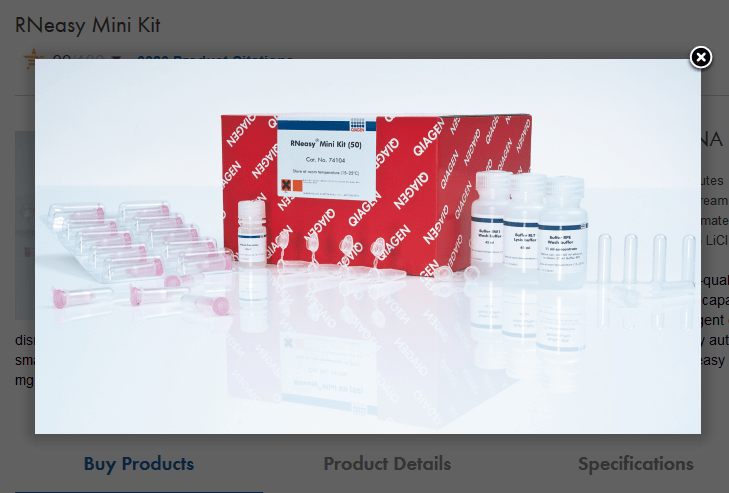
  1. RNeasy® Mini Kit (Qiagen, Valencia, CA, USA) for RNA Extractions https://www.qiagen.com/us/products/discovery-and-translational-research/dna-rna-purification/rna-purification/total-rna/rneasy-mini-kit/#orderinginformation
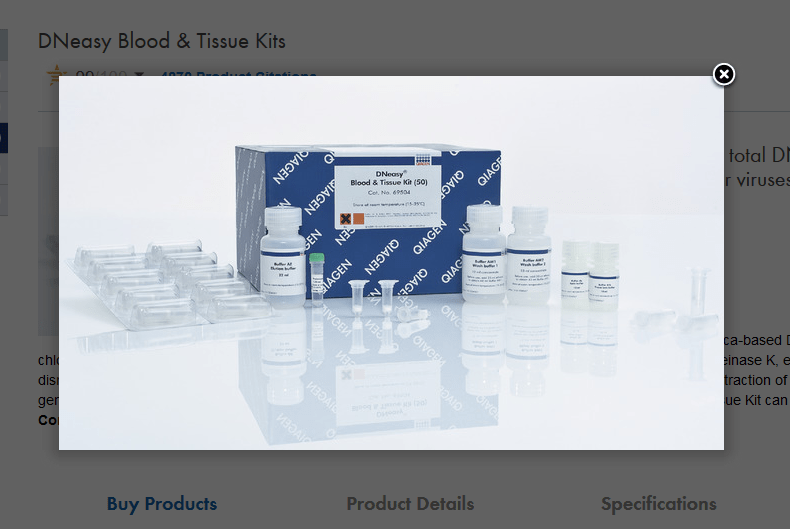
  2. DNeasy® Blood and Tissue Kit (Qiagen, Valencia, CA, USA) for DNA Extractions https://www.qiagen.com/us/products/discovery-and-translational-research/dna-rna-purification/dna-purification/genomic-dna/dneasy-blood-and-tissue-kit/#orderinginformation
  3. Qiagen QIAquick Spin Miniprep PCR Purification Kit for Plasmid Purification https://www.qiagen.com/us/products/qiaquick-pcr-purification-kit/#orderinginformation
  4. pBlueScript II plasmid (Agilent Technologies) Plasmid Propagation https://www.agilent.com/en/product/mutagenesis-cloning/cloning-vectors-kits/cloning-vector-kits/pbluescript-ii-vectors-233066
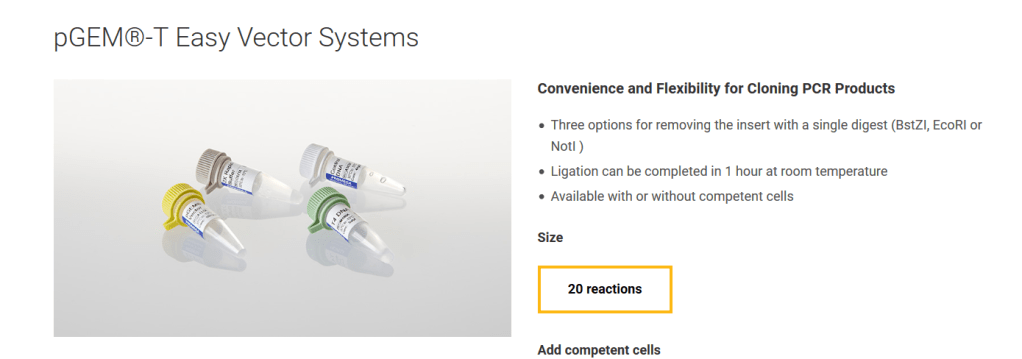
  5. pGEM-T Easy vector plasmid (Promega Corp.) for PCR and Plasmid Propagation https://www.promega.com/products/pcr/pcr-cloning/pgem-t-easy-vector-systems/?catNum=A1360
  6. QIAquick® PCR Purification kit (Qiagen) for Purification Reverse-transcriptase polymerase chain reaction PCR https://www.qiagen.com/us/products/qiaquick-pcr-purification-kit/#orderinginformation
  7. VECTASTAIN® ABC-AP KIT. Viral Isolation Straining https://vectorlabs.com/vectastain-abc-ap-kit-standard-x123.html
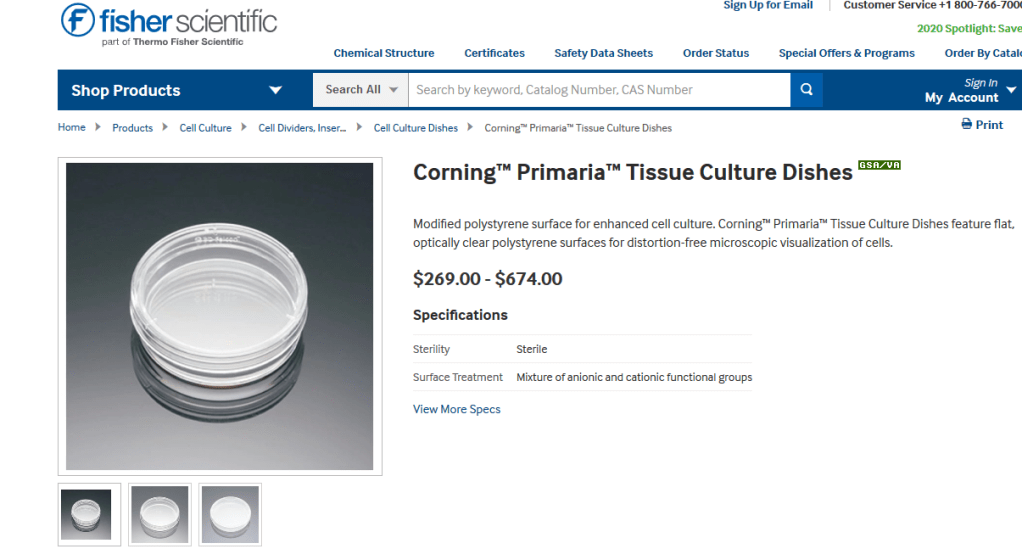
  8. PRIMARIA™ coated culture flasks https://www.fishersci.com/shop/products/corning-primaria-tissue-culture-dishes-3/p-176159
  9. Spearman-Kärber method was used to calculate titrations
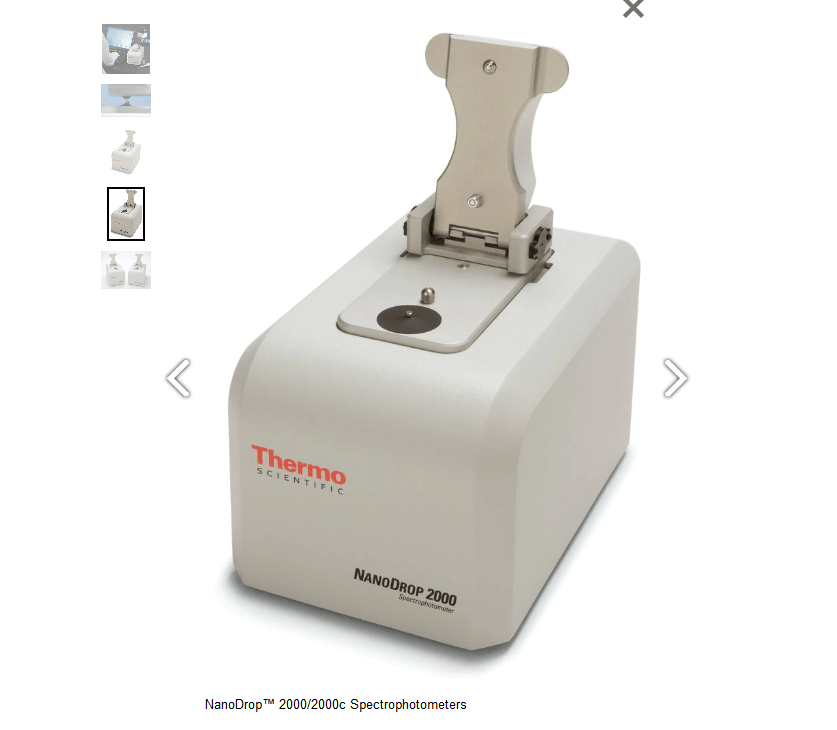
  10. NanoDrop 2000 spectrophotometer (Fisher Scientific, Pittsburg, PA, USA) for DNA quantification https://www.thermofisher.com/order/catalog/product/ND-2000#/ND-2000
  11. Sequencher® software (Gene Codes) for DNA Contig Sequencing https://www.genecodes.com/
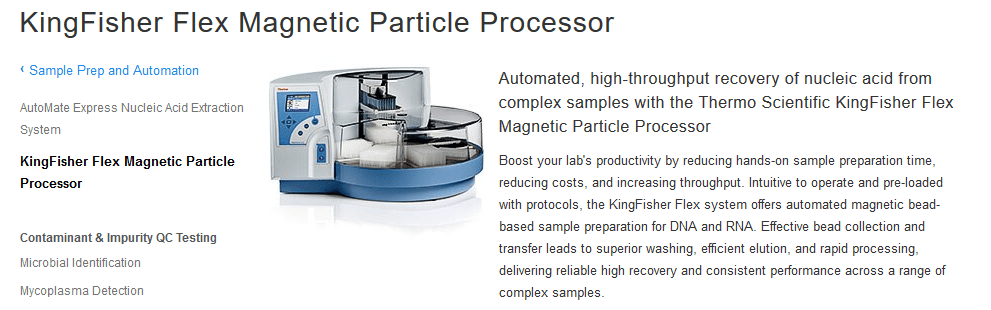
  12. Kingfisher 96 magnetic particle processor (Thermo Fisher Scientific) Sequencing product purification, contaminant and impurity QC testing https://www.thermofisher.com/us/en/home/life-science/bioproduction/contaminant-and-impurity-testing/sample-prep-and-automation/kingfisher-flex-magnetic-particle-processor.html
  13. 3730XL DNA sequencer (Applied Biosystems) for Nucleotide Sequencing
  14. Invitrogen-Thermo Fisher Scientific https://www.thermofisher.com/us/en/home/brands/invitrogen.html
  15. GeneAmp® EZ rTth RNA PCR kit (Life Technologies, Grand Island, NY, USA)

RNA Sample Amplification:

  1. SmartCycler II (Cepheid, Sunnyvale, CA) with automatic background subtraction on
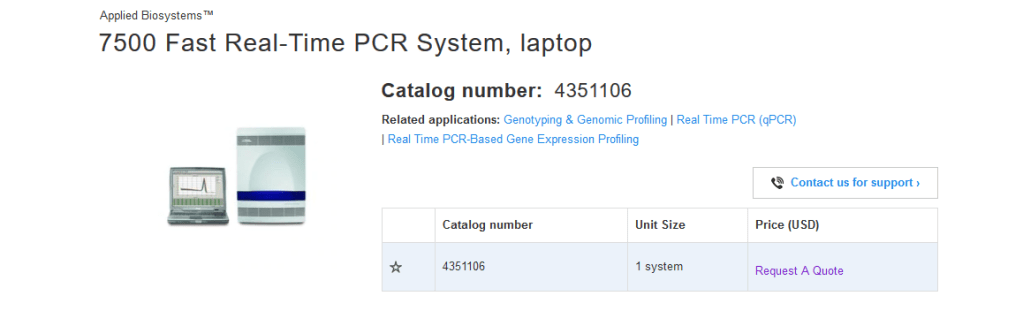
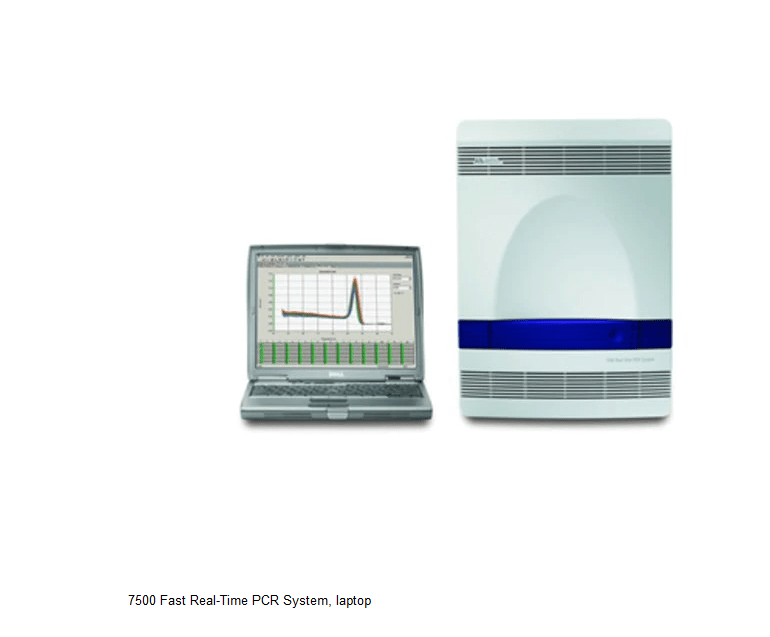
  2. TaqMan® Fast Virus 1-Step Master Mix (Life Technologies, Grand Island, NY, USA) Applied Biosystems® 7500 Real-Time PCR System (Life Technologies, Grand Island, NY, USA). https://www.thermofisher.com/order/catalog/product/4351106?SID=srch-srp-4351106#/4351106?SID=srch-srp-4351106
  3. Path-ID™ Multiplex One-Step Kit (Life Technologies, Grand Island, NY, USA) https://www.thermofisher.com/order/catalog/product/4442135#/4442135

DNA Sample Amplification:

  1. SmartCycler II PCR platform (Cepheid, Sunnyvale, CA, USA)
  2. TaqMan® EZ RT-PCR kit (Life Technologies, Grand Island, NY, USA). https://www.thermofisher.com/order/catalog/product/A28527?SID=srch-srp-A28527#/A28527?SID=srch-srp-A28527

https://time.com/5790545/first-covid-19-vaccine/

https://www.nature.com/articles/s41598-018-27224-4

https://www.jpost.com/HEALTH-SCIENCE/Israeli-scientists-In-three-weeks-we-will-have-coronavirus-vaccine-619101

https://en.wikipedia.org/wiki/RNA_hydrolysis

https://en.wikipedia.org/wiki/Gene_delivery#RNA-based_viral_vectors

https://asunow.asu.edu/20180212-discoveries-cancer-fighting-nanorobots-seek-and-destroy-tumors

http://whoami.sciencemuseum.org.uk/whoami/findoutmore/yourbody/whatdoyourcellsdo/howdocellsmakeproteins/howareproteinsmade

https://www.ncbi.nlm.nih.gov/pmc/articles/PMC4432088/

Supplement Info on Lab Research on antiviral mRNA, hydrolysis, mRNA, Viperin (ddhCTP) enzyme, etc. Equipment, Suppliers, Companies, and Research Universities or Institutions by MRG Staff

Notes on Labs, Universities associated with Projects, Equipment Suppliers, and Organizations:

  1. Moderna Therapuetics https://www.modernatx.com/
  2. Sino Biological https://www.sinobiological.com/
  3. Promega https://www.promega.com/
  4. BD Bioscience https://www.bdbiosciences.com/en-us
  5. ThermoFisher (includes Life Technologies and Fisher Scientific) https://www.thermofisher.com/us/en/home.html
  6. JEOL https://www.jeolusa.com/
  7. Qiagen https://www.qiagen.com/us/
  8. Agilent https://www.agilent.com/
  9. VectorLabs https://vectorlabs.com/
  10. Mettler Toledo https://www.mt.com/us/en/home.html
  11. Hanna Instruments https://www.hannainst.com/
  12. Intertek https://www.intertek.com/
  13. Sigma Aldrich https://www.sigmaaldrich.com/united-states.html
  14. (Not included in the research I studied) Hemler Scientific (Deep Temperature Freezers) https://www.helmerinc.com/
  15. (Not included in the research I studied) Eppendorf (Electroporation Machines) https://www.eppendorf.com/US-en/?_gl=11dh5a6u
  16. The Lab Depot https://www.labdepotinc.com
  1. Penn State University and University of North Carolina on Viperin Antiviral Enzyme Research http://www.cameronlab.com/ cec@psu.edu Twitter: @cameronlabunc
  2. La Trobe University Helbig Lab on Viral Infection https://scholars.latrobe.edu.au/khelbig
  3. Albert Einstein College of Medicine on Antiviral Viperin Enzymes Research
  4. Stanford University on Exploiting Zika addiction to Hsp70 protein jfrydman@stanford.edu
  5. Stanford University of the OST Zika Research carette@stanford.edu
  6. University of Arizona on Nanotechnology https://phoenixmed.arizona.edu/anbm
  7. National Institute of Animal Science, Rural Development Administration; Ajou University School of Medicine, and Sungkyunkwan University on 3D8 research
  8. Rockefeller University
  9. National Institute of Health on Remdesivir
  10. MIGAL (Gallile Research Institute) on IBV research and protein expression vectors
  11. Reagent and Vaccine Services Section (RVSS) of the USDA National Veterinary Services Laboratories’ (NVSL) FADDL located at the Plum Island Animal Disease Center (PIADC) relating to Alkaline Hydrolysis and Heat Treatment to kill viruses https://www.aphis.usda.gov/aphis/ourfocus/animalhealth/lab-info-services/sa_about_nvsl/ct_about_faddl

Equipment used for the OST NSI-1 Zika Study by the Stanford Research and Yale Team

  1. Renilla Luciferase Assay system (Promega) for Luciferase expression measurement
  2. 96-well plates https://www.promega.com/products/luciferase-assays/reporter-assays/renilla-luciferase-assay-system/?catNum=E2810
  3. CellTiter-Glo (Promega) for Cell Growth in Culture Measurement https://www.promega.com/products/cell-health-assays/cell-viability-and-cytotoxicity-assays/celltiter_glo-luminescent-cell-viability-assay/?catNum=G7570
  4. Trypan blue solution for Cell Growth Measurement
  5. Bio-Rad Gene Pulser Xcell electroporator use for electroporation techniques in which an electrical field is applied to cells in order to increase the permeability of the cell membrane, allowing chemicals, drugs, or DNA to be introduced into the cell (also called electrotransfer) https://www.bio-rad.com/en-us/product/gene-pulser-xcell-electroporation-systems?ID=b1a35eb3-d55c-47b3-aaf3-95e4d1d85848
  6. Perm/Wash buffer (BD Biosciences) Cell permeabilization Perm/Wash buffer (BD Biosciences) https://www.bdbiosciences.com/us/applications/research/intracellular-flow/intracellular-buffers-and-ancillary-reagents/permwash-buffer/p/554723
  7. IgG Alexa 488 (Life Technologies) for Incubation
  8. FlowJo 9  for data analysis for Flow Cytometry http://v9docs.flowjo.com/html/index.html
  9. GraphPad Prism 7 for Statistical Analysis https://www.graphpad.com/scientific-software/prism/

Equipment used by the Foreign Animal Disease Diagnostic Laboratory team (Lemire, Rodriguez, and McIntosh) when studying Heat Treatment and Alkaline Hydrolysis in killing viruses:

  1. RNeasy® Mini Kit (Qiagen, Valencia, CA, USA) for RNA Extractions https://www.qiagen.com/us/products/discovery-and-translational-research/dna-rna-purification/rna-purification/total-rna/rneasy-mini-kit/#orderinginformation
  2. DNeasy® Blood and Tissue Kit (Qiagen, Valencia, CA, USA) for DNA Extractions https://www.qiagen.com/us/products/discovery-and-translational-research/dna-rna-purification/dna-purification/genomic-dna/dneasy-blood-and-tissue-kit/#orderinginformation
  3. Qiagen QIAquick Spin Miniprep PCR Purification Kit for Plasmid Purification https://www.qiagen.com/us/products/qiaquick-pcr-purification-kit/#orderinginformation
  4. pBlueScript II plasmid (Agilent Technologies) Plasmid Propagation https://www.agilent.com/en/product/mutagenesis-cloning/cloning-vectors-kits/cloning-vector-kits/pbluescript-ii-vectors-233066
  5. pGEM-T Easy vector plasmid (Promega Corp.) for PCR and Plasmid Propagation https://www.promega.com/products/pcr/pcr-cloning/pgem-t-easy-vector-systems/?catNum=A1360
  6. QIAquick® PCR Purification kit (Qiagen) for Purification Reverse-transcriptase polymerase chain reaction PCR https://www.qiagen.com/us/products/qiaquick-pcr-purification-kit/#orderinginformation
  7. VECTASTAIN® ABC-AP KIT. Viral Isolation Straining https://vectorlabs.com/vectastain-abc-ap-kit-standard-x123.html
  8. PRIMARIA™ coated culture flasks https://www.fishersci.com/shop/products/corning-primaria-tissue-culture-dishes-3/p-176159
  9. Spearman-Kärber method was used to calculate titrations
  10. NanoDrop 2000 spectrophotometer (Fisher Scientific, Pittsburg, PA, USA) for DNA quantification https://www.thermofisher.com/order/catalog/product/ND-2000#/ND-2000
  11. Sequencher® software (Gene Codes) for DNA Contig Sequencing https://www.genecodes.com/
  12. Kingfisher 96 magnetic particle processor (Thermo Fisher Scientific) Sequencing product purification, contaminant and impurity QC testing https://www.thermofisher.com/us/en/home/life-science/bioproduction/contaminant-and-impurity-testing/sample-prep-and-automation/kingfisher-flex-magnetic-particle-processor.html
  13. 3730XL DNA sequencer (Applied Biosystems) for Nucleotide Sequencing
  14. Invitrogen-Thermo Fisher Scientific https://www.thermofisher.com/us/en/home/brands/invitrogen.html
  15. GeneAmp® EZ rTth RNA PCR kit (Life Technologies, Grand Island, NY, USA)

RNA Sample Amplification:

  1. SmartCycler II (Cepheid, Sunnyvale, CA) with automatic background subtraction on
  2. TaqMan® Fast Virus 1-Step Master Mix (Life Technologies, Grand Island, NY, USA) Applied Biosystems® 7500 Real-Time PCR System (Life Technologies, Grand Island, NY, USA). https://www.thermofisher.com/order/catalog/product/4351106?SID=srch-srp-4351106#/4351106?SID=srch-srp-4351106
  3. Path-ID™ Multiplex One-Step Kit (Life Technologies, Grand Island, NY, USA) https://www.thermofisher.com/order/catalog/product/4442135#/4442135

DNA Sample Amplification:

  1. SmartCycler II PCR platform (Cepheid, Sunnyvale, CA, USA)
  2. TaqMan® EZ RT-PCR kit (Life Technologies, Grand Island, NY, USA). https://www.thermofisher.com/order/catalog/product/A28527?SID=srch-srp-A28527#/A28527?SID=srch-srp-A28527

Lab Equipment. Notes from personal readings on potential cures for viruses with protein inhibitors, RNA or alkaline hydrolysis, enzymes such as Viperin (ddhCTP), and mRNA antiviral medications by MRG Staff

Disclaimer: This post is for personal note, which I just so happen to be sharing. This post isn’t to encourage any unauthorized research or to spread misleading medical information. I’m simply theorizing in public about information I read from actual academics in order to find correlation in their research and to enhance my understanding of medicine, biology, chemistry, virology, etc. However, it is my impression that we as species have all the tools to cure most diseases but it seems like researchers aren’t connecting as much as they should since their research typically focuses on a specific task.

I’m not a medical or science professional, though I took some classes while in college. Yet, the more I read into the basics of RNA (AGCU), DNA (AGCT), proteins, enzymes, cell functions, etc., the more I seem to understand that fighting viruses (which are typically single strands of viral RNA code with a protein shell) is that you have to chemically “trick”, induce, or fortify healthy cells and trigger them in shutting off certain functions when exposed, but also turning on certain functions when exposed. These functions can range from preventing or discouraging endocytosis (when a cell “eats” a virus to incorporate into its body – cytoplasm, vacuoles, etc. – but the virus hacks the health DNA code), turning off or on certain proteins and enzymes, and triggering immune responses to seek and destroy the virus.

Also, in layman terms (meant for myself) vRNA (viral RNA) like most RNA has a phosphorous backbone and four chemicals, so it’s not entirely a “physical hack”, but more so a “chemical-secretion melody” that the virus “plays” or delivers (think of the chemicals as keys on a piano and when played make a tun) to infect a cell (re-tune or re-harmonize it) to encourage its replication, i.e., it tricks the healthy cell to stimulate ribosome production of viral proteins, enzymes, etc. The viruses are programmed to seek out certain proteins, antibodies, and/or enzymes in order to “pick” a cell’s lock or attract to it and lock in. Thus, if you’re shutting off and on things to fight viruses you might get residual physiological effects such as an immune system running on overdrive and attacking healthy bodily functions such as healthy renal (kidney) function.

I was studying viruses largely due to the Coronavirus dilemma and did some reading into anti-viral research using various methods such designing anti-viral mRNA (messenger RNA) which can possibly be loaded into nanoparticles such as poly [lactic-co-glycolic acid] nanoparticles; discouraging the attachment of sugar molecules to viral proteins (such as limiting OST complexes); understanding current medications such as Arbidol (used for influenza and studied regarding Zika – a distant cousin of Hepatitis C, West Nile, Dengue Fever, etc.) , NGI-1 (OST inhibitor), Remdesivir (Ebola), Apoptozole (Hsp70 inhibitor); utilizing protein inhibitors such as NSC 630668-R/1, VER-155008, MAL3–101, MKT-077, Pifithrin, and Apoptozole; preventing NS proteins which have roles in viral replication and include NS1 (modulates host immunity), NS2A, NS2B, NS3 (protease), NS4A, NS4B, NS5 (polymerase); inhibiting spike protein and its role in virus binding and entry; potentially inhibiting Hsp70 protein (a protein required for folding, which was studied during the Zika outbreak) with drugs such as Apoptozole; harvesting, incorporating, or simulating already naturally occurring in-body anti-viral enzymes such as Viperin ddhCTP (which prevents viruses from copying their genetic material and thus from multiplying); utilizing 3D8 scFv (catalytic enzyme) which has hydrolyzing (breaking up, i.e., cleaving) capabilities and protects the host from multifarious viruses regardless of genomic composition; using Ribonucleases (RNases) (June Byun, S., Yuk, S., Jang, Y. et al.) which represent another antiviral therapy approach to degrading viral RNA genomes. etc., and maybe using saline or magnesia based medicines to encourage hydrolysis since rNA is adverse to alkaline, and saline (salt water) and magnesia have opposite pH levels to human blood which is acidic and where viruses can thrive.

Understanding proteins is everything in virology. For example, NS1 is a functionally complex protein and is a central player in the virus’s response to host defense mechanisms and the establishment of efficient viral gene expression. Because of its importance to virus replication and virus-host interactions and the fact that it is highly conserved across influenza virus A strains (Dipanwita, et al, 2009) [Source: Dipanwita Basu, Marcin P. Walkiewicz, Matthew Frieman, Ralph S. Baric, David T. Auble, Daniel A. Engel Journal of Virology Jan 2009, 83 (4) 1881-1891; DOI: 10.1128/JVI.01805-08. https://jvi.asm.org/content/83/4/1881%5D

JEOL USA BioMajesty™ Series High Throughput CCA
3730 i xl i DNA Analyzer
730 i xl i DNA Analyzer
7500 Fast Real-Time PCR System,
7500 Fast Real-Time PCR System, laptop
Applied Biosystems ProFlex PCR System Thermo Fisher Scientific
Protein Expression Systems Thermo Fisher Scientific – US
pGEM®-T Easy Vector Systems
Biometra TRIO Combi Multi Block Thermal Cycler – Capacity 3 x 48 (0 2 ml) Tubes and 18 (0 5 ml) Tubes
Cepheid SmartCycler II Thermal Cycler Automated Real-Time PCR System Quality Used Laboratory Equipment
Thermo Scientific ABgene EasyStrip Plus Tube Strip with Attached Flat Caps – Life Sciences, Molecular
Thermo Scientific Finnpipette F1 Variable Volume Single Channel Pipettes – Pipets, Pipettes and Pipe
Clinical cell analyzers BD Biosciences-US
Corning Primaria Tissue Culture Dishes – Cell Culture,Cell Dividers, Inserts, Scrapers and Utensils
PYREX Reusable Petri Dishes Complete – Testing and Filtration,Food and Beverage Testing
DNeasy Blood Tissue Kits – QIAGEN Online Shop
VECTASTAIN® ABC-AP Staining KIT (Alkaline Phosphatase, Standard)
Screenshot_2020-02-29 RNeasy Mini Kit – QIAGEN Online Shop
Path-ID™ Multiplex One-Step RT-PCR Kit
cloning vectors, pBlueScript II Vectors Agilent
Screenshot_2020-02-29 Gene Pulser Xcell Electroporation Systems Life Science Research Bio-Rad
KingFisher Flex Magnetic Particle Processor Thermo Fisher Scientific – US(1)
MaxQ™ 4450 Benchtop Orbital Shakers(1)
NanoDrop™ 2000 2000c Spectrophotometers
ST Series CO2 Incubators
hermo Scientific Orion Star T920 Redox Titrators 335079 Spectrum Chemical
UV Transilluminator Accuris E3000 UV Transilluminator

Citations

Dipanwita Basu, Marcin P. Walkiewicz, Matthew Frieman, Ralph S. Baric, David T. Auble, Daniel A. Engel Journal of Virology Jan 2009, 83 (4) 1881-1891; DOI: 10.1128/JVI.01805-08. https://jvi.asm.org/content/83/4/1881

June Byun, S., Yuk, S., Jang, Y. et al. Transgenic Chickens Expressing the 3D8 Single Chain Variable Fragment Protein Suppress Avian Influenza Transmission. Sci Rep 7, 5938 (2017). https://doi.org/10.1038/s41598-017-05270-8

Lee, R. F., (n.d.), Laboratory equipment needed for selected diagnostic procedures, retreived 3/1/2020, from http://www.fao.org/3/T0601E0o.htm